Parking Lot Pressure Washing
In South Atlanta, GA
Surface Prep Before Restriping
1-800-STRIPER provides professional parking lot pressure washing in South Atlanta, GA — removing oil stains, gum, tire marks, and built-up grime before restriping using commercial hot-water equipment, with wash-water runoff managed per EPA NPDES stormwater rules and the Georgia Environmental Protection Division stormwater program.
1-800-STRIPER® of Atlanta OTP South PROVIDes Parking Lot Power Washing Services NEAR YOU
Need to blast away years of grime?
If your parking lot or parking garage looks dull and dirty, our professional crew can wash away grime, oil, stains, and slippery buildup to restore the appearance of your property.
Benefits:
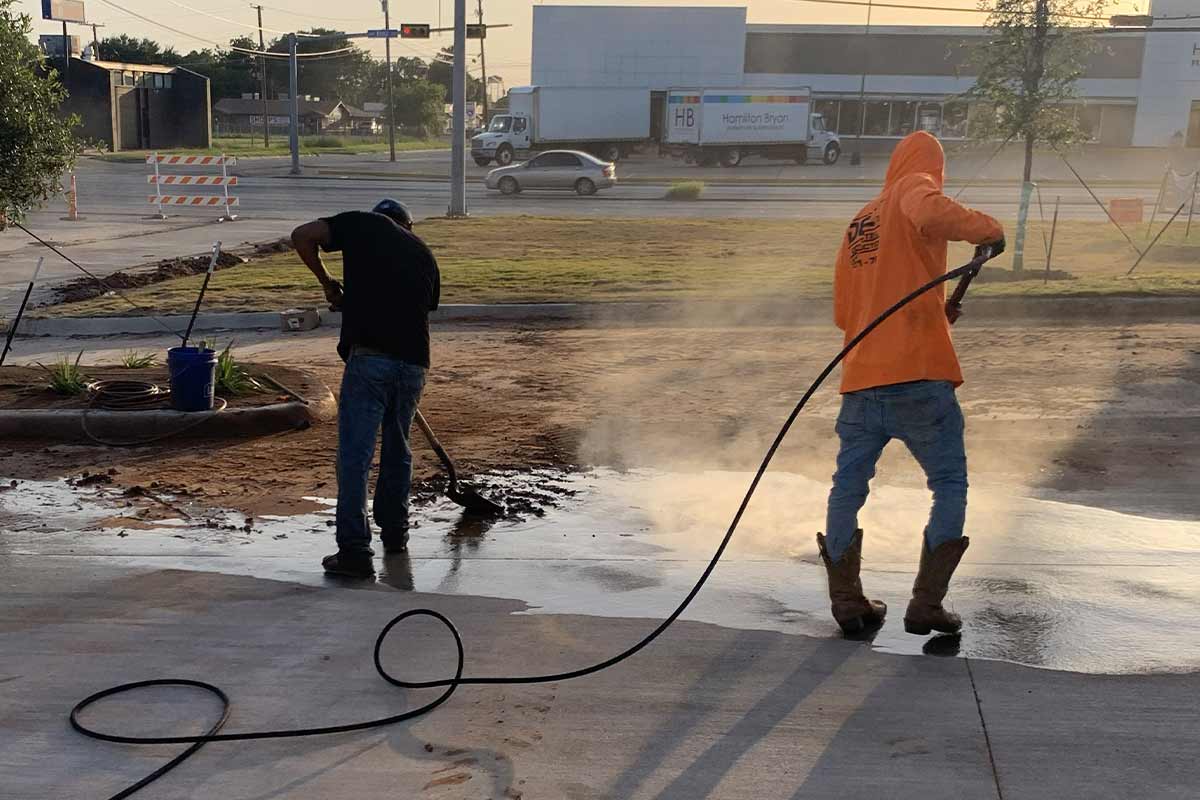
Parking Lot Pressure Washing Services in South Atlanta, GA
Pressure washing prepares asphalt and concrete surfaces so new paint bonds to the pavement instead of sitting on a layer of dirt, oil film, or old coating residue. Commercial properties across the south metro schedule cleaning ahead of restriping, sealcoating, or routine lot maintenance — both surface types collect the same buildup of oil drips, tracked-in debris, and airborne grime over time, just at different rates depending on traffic and shade coverage.
Why Clean Before You Restripe
Paint adheres best to a clean, dry surface. A lot with oil film, dirt, or loose debris needs pressure washing before new striping goes down, because oil and grease create a barrier between the pavement and the paint — one that causes peeling or poor line definition well before the coating should wear out. A washed surface also lets crews see existing layout lines, cracks, and problem areas clearly before marking a new pattern, so the new lines land where they’re supposed to. The same logic applies ahead of sealcoating: sealer bonds to bare pavement, not to the film of oil and dirt sitting on top of it.
Oil, Gum, Tire-Mark & Grime Removal
Oil stains, chewing gum, tire marks, and general grime respond differently to pressure washing, depending on how long they’ve been ground into the pavement. Fresh oil spots typically lift with hot water and a degreasing detergent, while older, sun-baked stains may need repeated passes or a longer dwell time. Tire marks (the black scuffing left where vehicles turn or brake) are surface rubber deposits that hot water loosens more effectively than cold water alone. Gum takes localized heat and agitation to release its grip on the pavement texture. The heaviest grime buildup on any commercial lot tends to collect near dumpster pads, loading docks, and drive-through lanes, since those areas see the most vehicle traffic and the least rainfall rinsing between visits.
Hot-Water Equipment & Commercial Detergents
Hot water breaks down oil and grease faster than cold water, which is why 1-800-STRIPER uses commercial hot-water pressure washing equipment paired with degreasing detergents formulated for asphalt and concrete. Heat lowers the viscosity of petroleum residue so it lifts free of the pavement surface instead of spreading it around. We match pressure and nozzle selection to the surface and stain type — enough force to clean effectively without eroding pavement aggregate or stripping paint that’s meant to stay in place. A pressure washing job generally follows the same sequence regardless of lot size:
- Inspect the lot for oil stains, gum, tire marks, and problem areas.
- Contain the work area so runoff doesn’t reach storm drains or curb inlets.
- Wash and degrease with hot water and commercial detergent.
- Rinse the surface clean of loosened residue and detergent.
- Let the pavement dry fully before striping begins.
Stormwater Compliance — EPA NPDES & Georgia EPD
Pressure washing runoff isn’t simply rinsed toward the nearest storm drain: wash water carrying oil, detergent, and grime is regulated as a pollutant discharge under EPA stormwater discharge regulations (NPDES) and the Georgia Environmental Protection Division stormwater program. Uncontained runoff that reaches a storm drain can carry those contaminants directly into local waterways, since storm systems in the south metro drain untreated (a curb inlet or catch basin on a commercial lot typically connects straight to a nearby stream or lake, not to a treatment plant). We contain and manage wash water on-site during a commercial job rather than letting it run to a drain or curb inlet, consistent with those stormwater rules.
For a full list of our pavement marking services, visit our parking lot striping in South Atlanta page.
Businesses We Serve



How it Works

GET A FREE ESTIMATE
Contact us today and we’ll have a quote to you in 24 hours

SCHEDULE AN INSTALLATION
We’ll have your installation scheduled in less than 7 days, without affecting your business hours

GET A PARKING LOT THAT POPS
For a budget-friendly price, you’ll get a parking lot that looks like new
We proudly work with:


We proudly work with:
Frequently Asked Questions About Parking Lot Pressure Washing in South Atlanta, GA
Do you need to clean a parking lot before painting lines?
Yes. New striping paint needs a clean, dry surface to bond properly. Oil film, dirt, and old coating residue sitting between the pavement and the paint cause lines to peel or fade well before they should, so pressure washing ahead of striping is standard prep on commercial lots across South Atlanta, GA.
Does pressure washing improve paint adhesion?
Yes. Paint bonds to the pavement itself, not to a layer of oil, grease, or dust sitting on top of it. Removing that film with hot-water pressure washing gives new striping a clean surface to grip, which is why cleaning is typically scheduled directly ahead of a restriping job rather than treated as a separate, unrelated service.
Hot water vs. cold water — which is better for a parking lot?
Hot water is more effective on the oil, grease, and tire-mark residue found on parking lot surfaces. Heat reduces the viscosity of petroleum-based stains so they lift free of the pavement instead of spreading. Cold water can rinse loose dirt and debris, but it struggles with the baked-on grime that accumulates in drive lanes and stalls.
What are the rules for pressure-wash runoff?
Wash water from parking lot cleaning is regulated stormwater discharge under EPA NPDES rules and the Georgia Environmental Protection Division’s stormwater program. We have to contain runoff carrying oil, detergent, or grime and keep it out of storm drains and curb inlets, rather than letting it flow directly into the storm system, which in the south metro drains untreated into local waterways.
Will pressure washing damage the pavement or nearby cars?
We match pressure and nozzle selection to the surface and the stain, which is what prevents damage: too much pressure at close range can erode asphalt aggregate or strip paint that’s meant to stay, while too little won’t clean effectively. Vehicles and adjacent surfaces stay clear of the work area so overspray and runoff remain contained to the pavement being cleaned.
How often should a commercial parking lot be pressure washed?
Cleaning frequency depends on traffic volume and how quickly oil and grime build up, but most commercial lots benefit from washing at least once a year and again directly before any restriping project. High-traffic areas (drive lanes, loading zones, spaces near dumpsters) typically need more frequent attention than perimeter stalls.