Parking Lot Pressure Washing
In Central Dallas, TX
Surface Prep Before Restriping
1-800-STRIPER provides professional parking lot pressure washing in Central Dallas, TX — removing oil stains, gum, mildew, and surface contaminants using commercial hot-water and cold-water equipment with EPA-compliant stormwater capture for commercial properties across the DFW metroplex.
1-800-STRIPER® of Central Dallas PROVIDes Parking Lot Power Washing Services NEAR YOU
Need to blast away years of grime?
If your parking lot or parking garage looks dull and dirty, our professional crew can wash away grime, oil, stains, and slippery buildup to restore the appearance of your property.
Benefits:
Oil and Grease Stain Removal
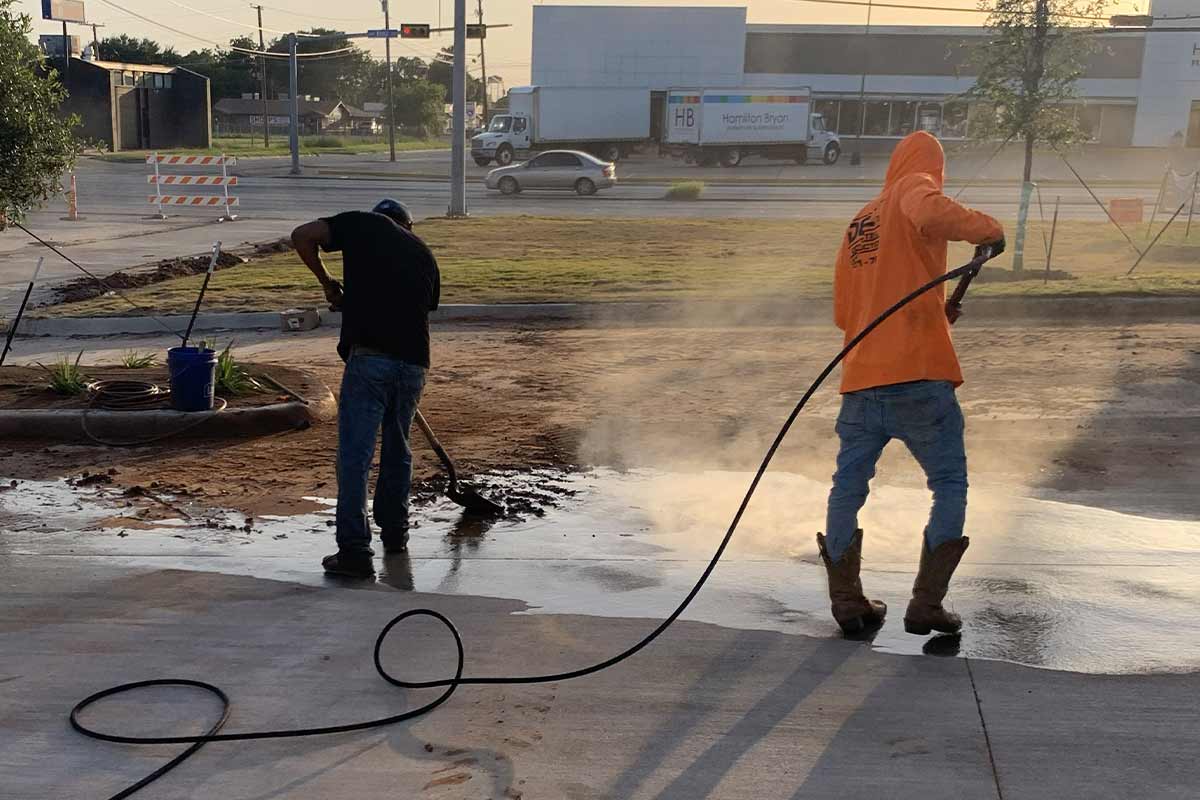
Oil and grease accumulate at drive lanes, parking stalls, and loading dock aprons over time. Left untreated, petroleum-based deposits penetrate asphalt binders and weaken the surface. Commercial hot-water pressure washing breaks down hydrocarbon bonds and lifts embedded stains that cold-water equipment alone can’t fully extract, restoring a clean, uniform appearance.
Gum and Adhesive Removal
Chewing gum bonds to concrete and asphalt through foot traffic and heat. Targeted steam and high-temperature pressure washing soften the adhesive bond, letting technicians remove gum cleanly without scoring the surface. Solvent-free removal protects surrounding pavement markings and existing line striping while supporting compliant stormwater management.
Mildew and Algae Cleaning
DFW humidity encourages mildew and algae growth on shaded parking surfaces and building-adjacent slabs. Organic growth creates slip hazards and degrades surface appearance. Pressure washing with appropriate dwell time removes biofilm layers from concrete and pavement, reducing both pedestrian safety risk and long-term surface staining.
Concrete and Asphalt Cleaning Differences
Concrete and asphalt require different pressure settings and techniques. Dense concrete tolerates higher PSI and hot-water application without surface damage. Asphalt is more porous and heat-sensitive — lower pressure and controlled temperature protect the binder while still extracting contaminants. Using the wrong approach on either surface accelerates wear or leaves residue behind.
Hot-Water vs Cold-Water Equipment
Hot-water pressure washers heat water to 180–200°F before application, which significantly improves grease emulsification, gum removal, and sanitization compared to cold-water units. Cold-water equipment handles general surface debris and lighter organic matter where heat is unnecessary. 1-800-STRIPER selects equipment type based on surface material, stain type, and environmental conditions for each job in Central Dallas.
EPA Stormwater Compliance
Commercial pressure washing generates wash water that can carry oil, detergents, and sediment into storm drains. Under the EPA stormwater discharge regulations framework established by 40 CFR 122.26, commercial operators must prevent wash water from entering the municipal storm system untreated. 1-800-STRIPER uses stormwater capture berms, wet vacuums, and containment mats to collect runoff on-site, keeping your property compliant and protecting local waterways.
Pre-Striping Surface Preparation
A clean surface is the foundation for line striping that adheres correctly and lasts under heavy traffic. Contaminants — oil, rubber deposits, curing compounds, or loose aggregate — prevent paint from bonding to the substrate. Pressure washing before any striping project removes these barriers, extends paint adhesion life, and ensures crisp line edges. For new striping and restriping projects, 1-800-STRIPER schedules surface cleaning as the first step before any layout or paint application.
Frequency Recommendations
Most commercial parking lots benefit from pressure washing once or twice per year. High-traffic properties — retail centers, restaurants, logistics yards — may need quarterly cleaning due to accelerated oil and organic buildup. Frequency depends on traffic volume, surface type, surrounding vegetation, and whether the lot has covered or open-air sections. A brief on-site walkthrough helps determine the right cleaning schedule for your property.
Our Pressure Washing Process in Central Dallas
Every job follows a consistent process to deliver thorough, compliant results:
- Surface evaluation — identify pavement type, stain concentration, and drainage layout.
- Contaminant assessment — classify stain types to guide equipment and temperature selection.
- Equipment selection — assign hot-water or cold-water units based on surface and stain profile.
- Wash cycle — apply targeted pressure washing from high-contaminant zones outward.
- Stormwater capture — contain and collect all wash water using on-site capture equipment.
- Final walkthrough — inspect surface condition and confirm no runoff has reached storm drains.
Service Area and Free Estimates
Serving commercial properties across the DFW metroplex — call 1-800-STRIPER at (214) 884-3669 for a free estimate.
For a full list of our pavement marking services, visit our parking lot striping in Central Dallas page.
Businesses We Serve


How it Works

GET A FREE ESTIMATE
Contact us today and we’ll have a quote to you in 24 hours

SCHEDULE AN INSTALLATION
We’ll have your installation scheduled in less than 7 days, without affecting your business hours

GET A PARKING LOT THAT POPS
For a budget-friendly price, you’ll get a parking lot that looks like new
We proudly work with:


We proudly work with:
Frequently Asked Questions About Parking Lot Pressure Washing in Central Dallas, TX
Does commercial parking lot pressure washing require stormwater compliance in Texas?
Yes. The EPA’s National Pollutant Discharge Elimination System (NPDES) program under 40 CFR 122.26 prohibits wash water containing oils, soaps, degreasers, or other contaminants from entering municipal storm drains. Dallas city ordinance mirrors this — contaminated wash water cannot discharge into the stormwater system. Compliant commercial pressure washing uses containment mats, wet vacuums, or capture berms to collect all runoff before it reaches storm inlets. 1-800-STRIPER of Central Dallas follows EPA-compliant wash water capture protocols on every job.
What happens to the wash water after pressure washing a parking lot?
All collected wash water must be properly disposed of — it cannot be discharged directly into storm drains when it contains contaminants. Acceptable disposal methods include vacuuming the wastewater into a sealed tank for transport to a licensed disposal facility, or discharging to a municipal sanitary sewer connection (where permitted). Simply allowing wastewater to evaporate is no longer acceptable under EPA guidelines when the water contains petroleum-based or chemical contaminants. We handle compliant wastewater capture and removal as part of every pressure washing service.
When should hot water pressure washing be used instead of cold water?
Hot water pressure washing — typically operating at 180–200°F — is the correct choice for petroleum-based contamination: motor oil, transmission fluid, hydraulic fluid, and cooking grease. At these temperatures, hot water disrupts the hydrocarbon bonds in oil and grease, effectively liquefying and lifting the contaminants from the surface rather than merely pushing them around. Cold water is appropriate for general dirt, dust, organic debris, algae, and mildew where petroleum is not a significant factor. Most commercial parking lots in the DFW metroplex benefit from hot water service given the concentration of vehicle traffic.
Can pressure washing remove oil stains from asphalt and concrete?
Yes, though surface type affects the approach. Concrete is denser and more chemically neutral, tolerating higher pressure and temperature, which makes oil removal from concrete more straightforward. Asphalt is petroleum-based itself and heat-sensitive — excessively high temperature or pressure can soften the binder and accelerate surface deterioration. We use equipment settings appropriate to each surface type and apply commercial degreasers with adequate dwell time before rinsing, which allows the surfactant to emulsify oil that water alone cannot dissolve.
What contaminants can parking lot pressure washing remove?
Commercial pressure washing effectively removes motor oil and grease, chewing gum (hot water is essential for gum), algae, mildew, mold, brake dust, carbon deposits, and general surface grime. Long-term algae and mildew growth in shaded parking areas is particularly common in the Dallas area during humid months and creates a slip hazard in addition to an aesthetic problem. Removal of these contaminants also prevents the surface degradation that accelerates pavement oxidation and cracking over time.
How does pressure washing prepare a parking lot for line striping?
New line striping requires a clean, dry, contaminant-free surface for proper paint adhesion. Oil films, rubber deposits, and organic growth can prevent latex or solvent-based traffic paint from bonding correctly, causing premature peeling and edge lift that reduces the effective life of the markings. Pressure washing before striping removes these adhesion barriers, extends stripe durability, and produces sharper, more consistent line edges. 1-800-STRIPER can sequence pressure washing immediately before striping as a combined service.
How often should a commercial parking lot be pressure washed?
Frequency depends on traffic volume, surrounding land use, and seasonal conditions. High-traffic retail or restaurant lots in the Dallas, Tarrant, Denton, and Rockwall county area typically benefit from pressure washing two to four times per year given vehicle volume, DFW’s summer heat (which accelerates oil and rubber breakdown), and periodic rain events that concentrate contaminants near drain inlets. Lower-traffic office or industrial lots may need pressure washing once or twice annually. A visual inspection after extended dry periods is a useful trigger — if oil shadows or organic staining are visible, it is time to wash.
Does pressure washing damage pavement or strip existing line markings?
When performed correctly with appropriate pressure settings for the surface type, pressure washing does not damage sound pavement. However, if the asphalt surface is already significantly oxidized, cracked, or has loose aggregate, high-pressure water can accelerate those existing issues. Regarding markings, pressure washing at standard commercial settings will not remove well-bonded thermoplastic or traffic paint, though it may accelerate fading on already-worn markings. We assess surface condition before beginning and adjust technique accordingly.