Parking Lot Pressure Washing
In NE Boston, MA
Surface Prep Before Restriping
1-800-STRIPER provides parking lot pressure washing in NE Boston, MA — power washing pavement, removing winter salt residue and oil staining, and prepping the surface so fresh striping bonds properly, with wash water managed to EPA stormwater discharge rules for commercial properties.
1-800-STRIPER® of NE Boston PROVIDes Parking Lot Pressure Washing Services NEAR YOU
Need to blast away years of grime?
If your parking lot or parking garage looks dull and dirty, our professional crew can wash away grime, oil, stains, and slippery buildup to restore the appearance of your property.
Benefits:
Parking Lot Pressure Washing in NE Boston, MA
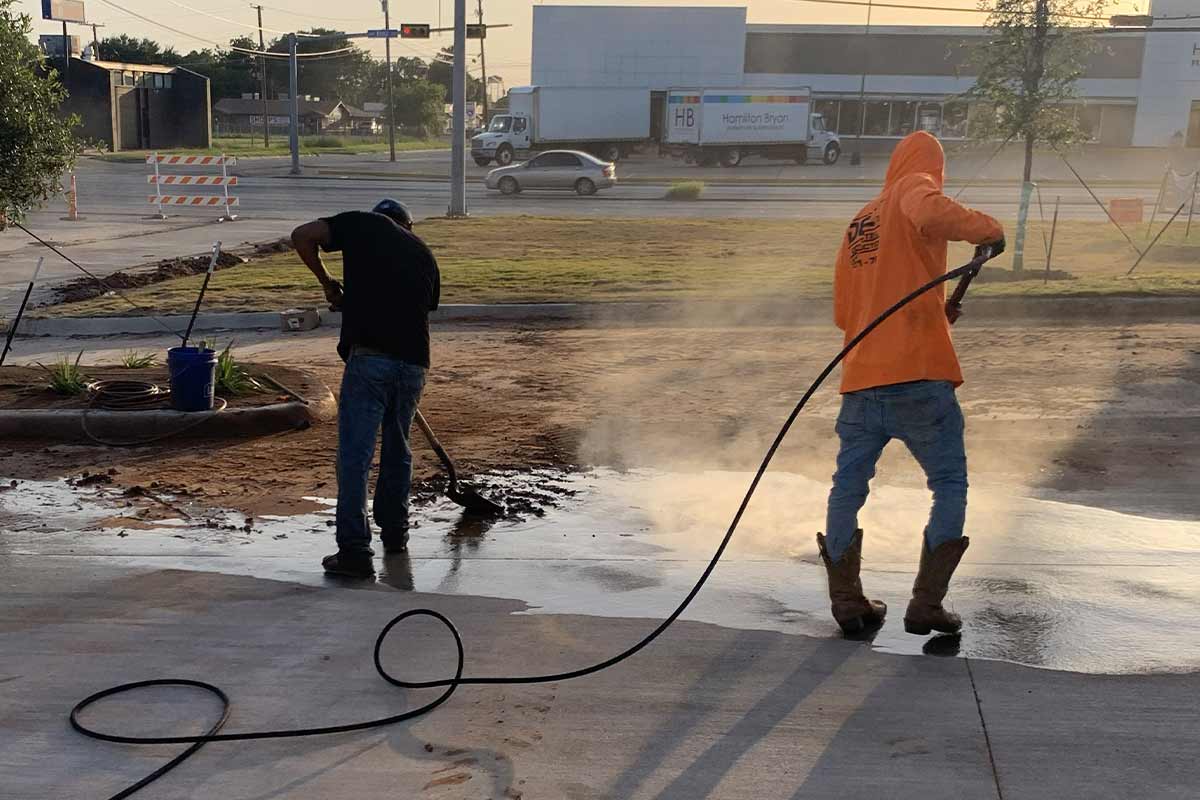
Pressure washing a commercial lot removes what a season leaves behind: salt residue, sand, oil and fluid staining at the stall heads, tire rubber, and the fine grit that works into asphalt. We wash lots, service areas, sidewalks, dumpster pads, and docks across Woburn, Burlington, Lynn, and Salem.
Clients book it for two reasons: the lot looks tired and the property is being shown or leased, or it is about to be striped and the paint needs something to bond to.
Power Washing and Surface Prep Before Striping
Power washing before striping is not cosmetic. It decides how long markings last.
Traffic paint bonds to clean, dry pavement. On a surface carrying salt residue, oil film, or settled grit it bonds to the contamination instead, and the line lifts at the edges within a season or two.
- Assess. Salt load, oil film, and settled grit — heaviest on busy retail lots and plowed properties.
- Degrease the stall heads. That is where parked vehicles drip, and oil staining there is the most common cause of a stall line failing early.
- Wash and contain. The water is collected rather than allowed to run.
- Dry. The surface must dry before paint, so a wash and a stripe are usually consecutive days.
- Stripe. Washed lots hold markings noticeably longer.
Salt, Oil and Winter Residue
Northeast Massachusetts lots collect a specific mix. Road salt and treated sand come off vehicles all winter. Both sit in the pores of the surface long after the last storm. Under tires, that sand acts as a grinding compound on paint, which is part of why lots here lose markings faster than traffic volume alone would predict.
Spring is therefore the natural time to wash. Clearing the winter load takes the abrasive out of circulation before the busy season and puts the lot in the right condition if striping is planned.
Oil and fluid staining is a separate, year-round problem. It responds to degreasing rather than pressure alone, and stains sitting for several seasons will lighten rather than disappear. We say which is which before starting.
Wash Water and Stormwater Rules
Wash water from a commercial lot is not clean water, and where it goes is a regulated question rather than a matter of preference.
Lot washing lifts oil, fluids, metals, and sediment off the surface, and a commercial storm drain generally discharges to a waterway rather than to a treatment plant. The United States Environmental Protection Agency NPDES Stormwater Program set the federal framework, and local rules sit on top of it — what may enter a municipal storm drain is a town-level matter across the fifteen communities we serve.
Practically, responsible lot washing controls the water rather than letting it run. Containment, collection, and proper disposal are part of the job. It is worth asking any contractor what they do with the water, because the owner holds the discharge.
For a full list of our pavement marking services, visit our parking lot striping in NE Boston page.
Businesses We Serve




How it Works

GET A FREE ESTIMATE
Contact us today and we’ll have a quote to you in 24 hours

SCHEDULE AN INSTALLATION
We’ll have your installation scheduled in less than 7 days, without affecting your business hours

GET A PARKING LOT THAT POPS
For a budget-friendly price, you’ll get a parking lot that looks like new
We proudly work with:


We proudly work with:
Frequently Asked Questions About Parking Lot Pressure Washing in NE Boston, MA
Does a parking lot need pressure washing before striping?
Not always, but it is what makes markings last. Traffic paint bonds to clean, dry pavement; on a surface carrying salt residue, oil film, or settled grit it bonds to the contamination instead, and the line lifts at the edges within a season or two. The head of each stall matters most, because that is where vehicles drip and where lines fail first.
What happens to the wash water?
It gets controlled rather than allowed to run into a storm drain. Lot washing lifts oil, fluids, metals, and sediment off the surface, and a commercial storm drain typically discharges to a waterway rather than to treatment. The federal framework sits with the Environmental Protection Agency and local rules sit on top of it, so containment, collection, and proper disposal are part of a responsible job.
Will pressure washing remove oil stains from asphalt?
It lightens them, and how much depends on age. Fresh staining responds well to degreasing followed by pressure. Stains that have soaked in over several seasons lighten rather than disappear, because the contamination is inside the surface rather than on it. We tell you which category a stain falls into before starting.
When is the best time to have a lot power washed in Massachusetts?
Spring, in most cases. Road salt and treated sand come off vehicles all winter and sit in the pores of the surface, and that sand grinds paint under tires for the rest of the year. Washing in spring clears the winter load before the busy season and puts the surface in condition if striping is planned.
Can you wash and stripe the lot on the same visit?
Usually consecutive days rather than the same day. The surface has to dry properly before traffic paint goes down, and rushing that produces markings that fail early, which defeats the reason for washing. On larger properties we wash and stripe in sections across a few days so part of the lot stays in service throughout.
How often should a commercial parking lot be pressure washed?
Once a year suits most commercial properties here, timed for spring to clear winter salt and sand. Higher-traffic sites, food service properties, and lots with dumpster pads or heavy delivery often want a second wash mid-season. Properties with recurring oil staining at the stall heads gain more from addressing the source than from washing more often.