Parking Lot Pressure Washing
In South Denver, CO
Surface Prep Before Restriping
1-800-STRIPER provides professional parking lot pressure washing in South Denver, CO — removing dirt, oil, and tire marks and prepping surfaces before restriping while keeping wash-water runoff compliant with EPA NPDES and Colorado’s CDPS stormwater program.
1-800-STRIPER® of South Denver PROVIDes Parking Lot Power Washing Services NEAR YOU
Need to blast away years of grime?
If your parking lot or parking garage looks dull and dirty, our professional crew can wash away grime, oil, stains, and slippery buildup to restore the appearance of your property.
Benefits:
Parking Lot Pressure Washing in South Denver, CO
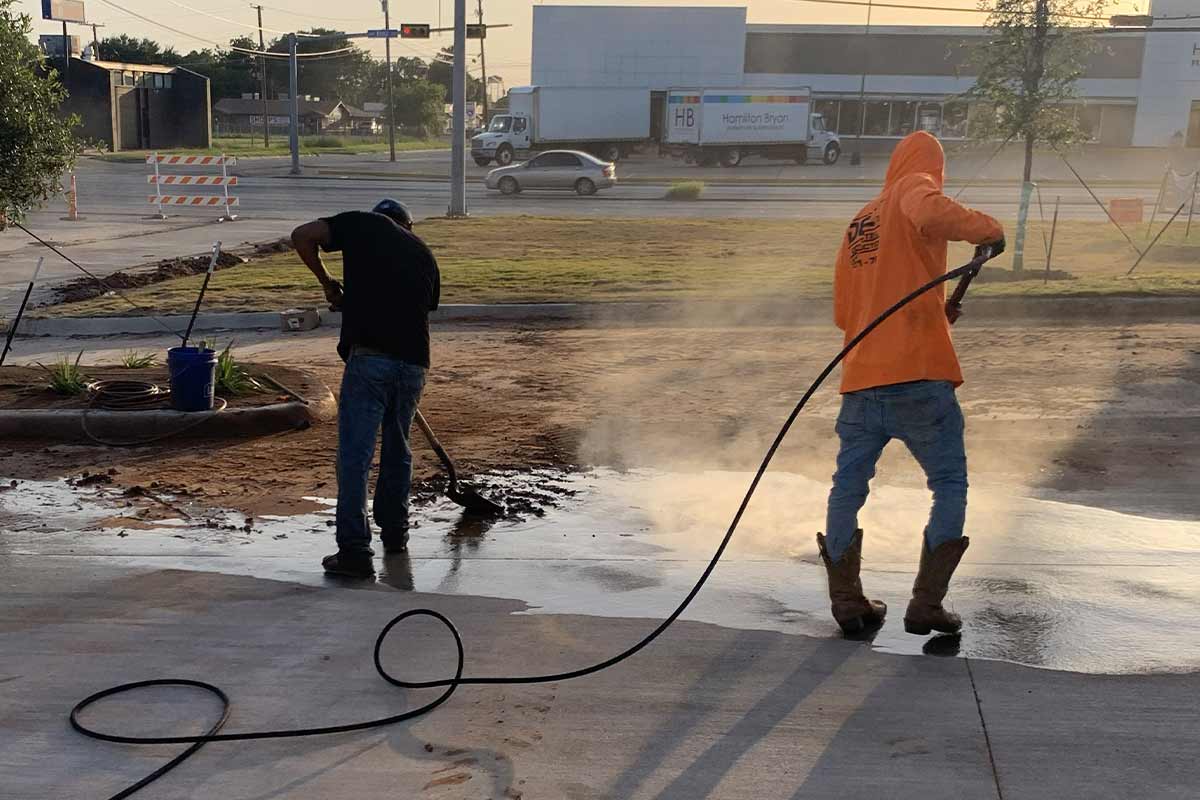
Pressure washing cleans a commercial lot’s pavement, removing the dirt, oil, gum, and tire marks that build up with use and make a property look neglected. It is also the first step to a striping job that lasts, because fresh paint bonds to clean pavement far better than to a greasy, dusty surface. 1-800-STRIPER of South Denver pressure-washes parking lots, drive aisles, sidewalks, and loading areas for retail centers, offices, and industrial sites across the south Denver metro and the Colorado Springs area — a service several striping competitors in this market do not offer at all. Whether you want the lot cleaned on its own to sharpen curb appeal or prepped ahead of restriping, we handle the wash and manage the runoff responsibly.
Surface Prep Before Restriping
The single biggest factor in how long new striping lasts is how clean the pavement was when the paint went down. Traffic paint bonds to the surface, and it cannot bond through a film of oil, dust, and tire rubber — paint applied over that film lifts and fades early. Pressure washing strips that layer away so the new markings grip the pavement and hold their color and edge. On lots being restriped, we clean the line paths and the broader surface before painting, which is why washing and striping pair so naturally. Skipping the wash is one of the most common reasons a fresh-looking lot starts shedding its lines within a season.
What Pressure Washing Removes
A commercial lot collects a predictable set of stains, and pressure washing clears most of them. Motor oil and hydraulic drips, tire scuff and rubber, gum, food and drink spills, bird droppings, pollen, dust, and the general grime of daily traffic all lift under the right pressure and technique. Efflorescence and mineral staining on concrete respond too. Heavier oil saturation may need a degreasing pretreatment before washing. We adjust pressure and method to the surface so we clean effectively without gouging asphalt or etching concrete — the goal is a uniformly clean lot, not a surface damaged by too aggressive a nozzle.
Wash-Water and Stormwater Compliance
Where the wash water goes matters, and responsible contractors manage it rather than blasting it into the nearest storm drain. Under the federal Clean Water Act, the EPA’s National Pollutant Discharge Elimination System regulates what can enter storm sewers, and Colorado implements that program as the Colorado Discharge Permit System through the Department of Public Health and Environment. Locally, Denver’s transportation and infrastructure department treats anything other than rainfall entering a storm drain as an illicit discharge. In practice that means parking-lot wash water carrying oil and sediment should be contained or directed appropriately, not sent untreated to the storm system. We plan the job with runoff handling in mind so cleaning your lot does not create a compliance problem.
Our Pressure Washing Process
We clean a lot methodically so the surface comes out uniformly clean and ready for whatever comes next.
- Assess the surface and the stains present, matching pressure and method to the pavement so we clean effectively without gouging asphalt or etching concrete.
- Pretreat heavy oil saturation with a degreaser before washing where the staining calls for it.
- Wash the surface — and, on a lot being restriped, the line paths specifically — to strip away the film of oil, dust, and tire rubber that keeps paint from bonding.
- Contain and direct the wash water responsibly rather than sending it untreated to the storm drain.
- Hand off a uniformly clean lot that is ready for restriping or simply sharper at the curb.
For a full list of our pavement marking services, visit our parking lot striping in South Denver page.
Businesses We Serve



How it Works

GET A FREE ESTIMATE
Contact us today and we’ll have a quote to you in 24 hours

SCHEDULE AN INSTALLATION
We’ll have your installation scheduled in less than 7 days, without affecting your business hours

GET A PARKING LOT THAT POPS
For a budget-friendly price, you’ll get a parking lot that looks like new
We proudly work with:


We proudly work with:
Frequently Asked Questions About Parking Lot Pressure Washing in South Denver, CO
Why pressure-wash before restriping?
Because clean pavement is what makes new striping last. Traffic paint bonds to the surface it is applied to, and it cannot bond through the film of oil, dust, and tire rubber that coats a used lot. Paint laid over that film lifts and fades early, so a lot that looked sharp on day one starts shedding lines within a season. Pressure washing strips the contamination away so the new markings grip and hold their color and edge. Pairing a wash with a restripe is one of the simplest ways to extend the life of the paint you buy.
What does pressure washing remove from a parking lot?
Most of what daily traffic leaves behind. That includes motor oil and hydraulic drips, tire scuff and rubber, gum, food and drink spills, bird droppings, pollen, and general road grime, plus efflorescence and mineral staining on concrete surfaces. Heavy oil saturation sometimes needs a degreasing pretreatment before the wash to break it down. We tune the pressure and technique to the surface so the cleaning is thorough without damaging the pavement. The result is a uniformly clean lot that looks maintained and is ready to hold fresh striping.
Where does the wash water go?
It has to be managed, not simply flushed into the storm drain. The EPA’s National Pollutant Discharge Elimination System regulates discharges to storm sewers under the Clean Water Act, Colorado runs that program as the Colorado Discharge Permit System, and Denver’s infrastructure department treats anything but rainfall entering a storm drain as an illicit discharge. That means wash water carrying oil and sediment should be contained or directed appropriately rather than sent untreated to the storm system. We plan runoff handling into the job so cleaning your lot stays on the right side of those rules.
Can pressure washing damage asphalt or concrete?
It can if it is done carelessly, which is why technique matters as much as equipment. Too high a pressure or the wrong nozzle held too close can gouge asphalt binder or etch concrete, so we match the pressure and method to the surface and its condition. Older or already-degrading asphalt gets a gentler approach; sound concrete can take more. The aim is to lift the dirt and stains without harming the pavement underneath. Done properly, pressure washing cleans and refreshes a lot with no damage — and it can actually extend pavement life by clearing corrosive contaminants.
How often should a commercial lot be pressure-washed?
It depends on traffic and use, but many commercial properties benefit from washing once or twice a year, with high-traffic retail, restaurant, and drive-through lots on the more frequent end. Lots that collect heavy oil, food waste, or grease near dumpsters and drive-throughs need attention more often, both for appearance and to keep the surface from staining permanently. Pairing a wash with your restriping cycle is an efficient approach, since the lot is being serviced anyway. We can recommend a schedule based on how your specific property is used and where it tends to accumulate the worst buildup.
Do you offer washing without striping?
Yes. While pressure washing is a natural prep step before restriping, we also clean lots as a standalone service for owners who simply want to restore curb appeal and remove built-up grime, oil, and stains. A clean lot signals a well-managed property to customers and tenants, and regular washing clears contaminants that shorten pavement life. Because several striping companies in the south Denver market do not offer washing at all, we can handle it whether or not you are also striping. Tell us what you need and we will scope the wash accordingly.