
Parking Lot Sign Installation
In Central Atlanta, GA
ADA, Fire Lane, and Directional Signage
1-800-STRIPER provides professional parking lot sign installation in Central Atlanta, GA — installing ADA accessible-space signs, fire-lane no-parking signs, directional signage, and tow-away warnings per the 2010 ADA Standards, the MUTCD, and the Georgia tow-away statute (OCGA Section 44-1-13) for commercial properties across Fulton and DeKalb counties.
1-800-STRIPER® of Atlanta (central) PROVIDes Signage Installations Services NEAR YOU
Are you communicating clearly?
We install new signs in adherence with local regulatory standards and can repair or replace damaged signs so you can clearly communicate your parking requirements.
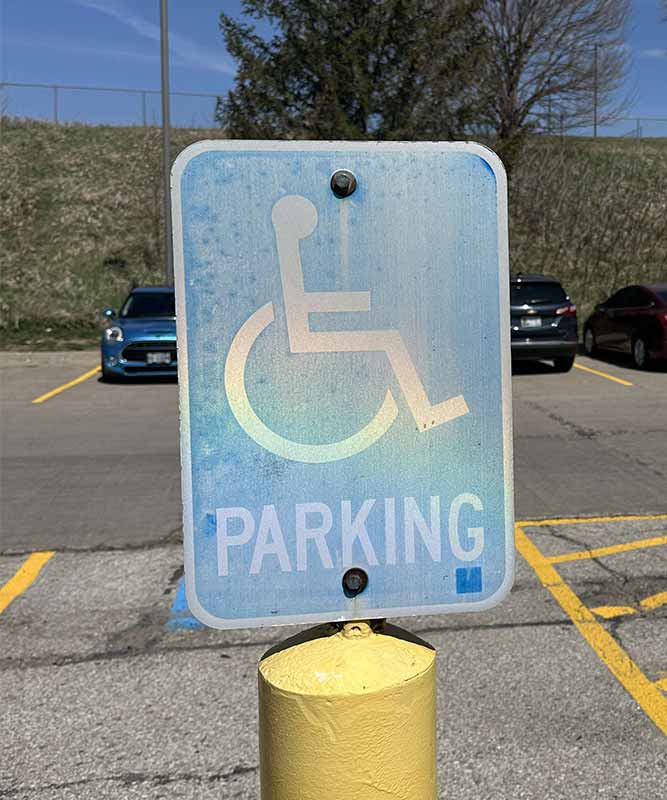
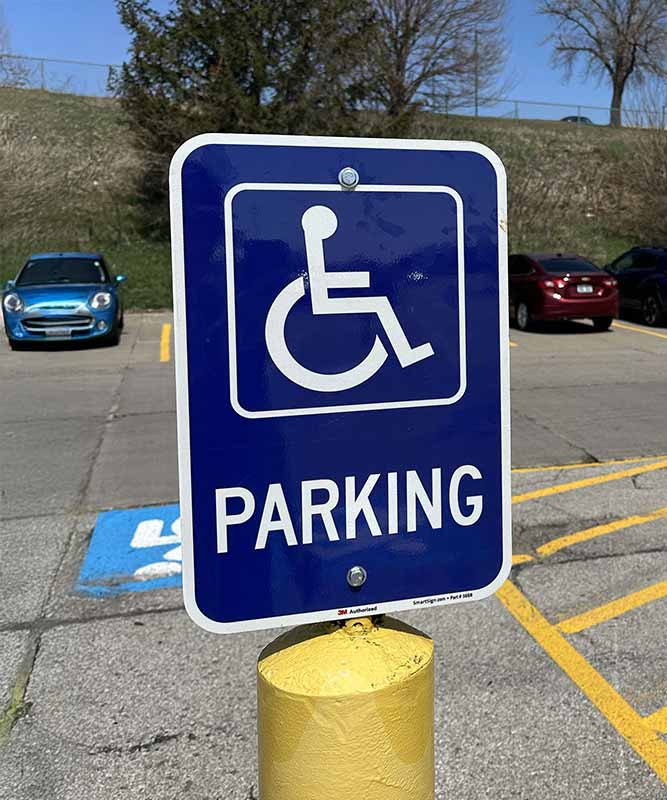
Signs We Install
Striping tells drivers where to go; signs tell them the rules. We install the full range of parking-lot signage: ADA accessible-parking signs (with van-accessible designations), fire-lane and “no parking” signs, directional and one-way signs, stop and yield signs, reserved and visitor signs, speed and pedestrian-crossing signs, and tow-away warning signs. We mount on new posts, existing posts, or building walls as the site requires.
Codes & Permits
Parking-lot signs answer to several authorities at once:
| Sign type | Governing reference |
|---|---|
| ADA accessible parking | 2010 ADA Standards (§502.6 sign, §703 ISA) |
| Directional, stop, regulatory | MUTCD (R7/R8-series regulatory signs) |
| Tow-away enforcement | Georgia tow-away statute (O.C.G.A. § 44-1-13) |
| Permitting / placement | City of Atlanta Sign Ordinance (Code of Ordinances Ch. 28A) |
The tow-away piece is Georgia-specific. The Georgia tow-away statute (O.C.G.A. § 44-1-13) governs the removal of improperly parked vehicles from private property and sets out the signage a property owner needs to authorize towing — a detail most competitors don’t address but one that determines whether you can actually enforce your lot. Accessible-parking signs follow the 2010 ADA Standards, regulatory signs follow the MUTCD, and permitting inside the city falls under the City of Atlanta Sign Ordinance (Ch. 28A).
Mounting Height, Reflectivity & Placement
Signs only work if they’re seen. ADA parking signs are mounted so the bottom of the sign sits at least 60 inches above the ground, keeping them visible above a parked vehicle. Regulatory signs follow MUTCD conventions for legend, shape, and legibility — the familiar R7-8 reserved-accessible sign, R8-series “No Parking,” and standard regulatory shapes drivers already recognize. We use reflective sign faces (retroreflective sheeting) so signs read at night and in rain, which is exactly when enforcement and safety signage matters. Placement matters too — a tow-away or fire-lane sign has to be where drivers actually look before they park.
Posts, Mounts & Durability
A sign is only as good as what holds it up. We set new posts in the ground where needed, reuse sound existing posts, or wall-mount where that’s the right spot, using galvanized or coated hardware that stands up to Georgia weather. Proper mounting height and a solid post keep the sign legible and in place through wind, rain, and the occasional bump.
For a full list of our pavement marking services, visit our parking lot striping in Central Atlanta page.
Businesses We Serve




How it Works

GET A FREE ESTIMATE
Contact us today and we’ll have a quote to you in 24 hours

SCHEDULE AN INSTALLATION
We’ll have your installation scheduled in less than 7 days, without affecting your business hours

GET A PARKING LOT THAT POPS
For a budget-friendly price, you’ll get a parking lot that looks like new
We proudly work with:


We proudly work with:


Frequently Asked Questions About Parking Lot Sign Installation in Central Atlanta, GA
How do you mount a parking sign?
We set a new in-ground post, reuse a sound existing post, or wall-mount where appropriate, then fix the sign at the right height with weather-resistant hardware. ADA signs go at least 60 inches (bottom of sign) above the ground; regulatory signs follow MUTCD placement so they’re visible where drivers look before parking.
Can I put up a no-parking or tow-away sign to enforce my lot?
On private commercial property, yes — and in Georgia the tow-away statute (O.C.G.A. § 44-1-13) sets out the warning signage you must post to authorize removing improperly parked vehicles. We install tow-away and “no parking” signs to support enforcement on your lot.
What signs are required for ADA parking spaces?
Each accessible space needs a sign bearing the International Symbol of Accessibility, mounted with its bottom edge at least 60 inches above the ground per the 2010 ADA Standards. Van-accessible spaces add a “van accessible” designation. We install these with the accessible striping.
How high should parking signs be mounted?
ADA accessible-parking signs go at least 60 inches (bottom of sign) above the ground so they stay visible above a parked vehicle. Other regulatory signs follow MUTCD mounting and placement conventions for visibility.
Do I need a permit for parking lot signs in Atlanta?
Sign permitting and placement inside the city fall under the City of Atlanta Sign Ordinance (Code of Ordinances Ch. 28A); requirements vary by jurisdiction across the Central Atlanta service area. We install to the applicable standard for your site’s location.
Are your signs reflective?
Yes. We use retroreflective sign faces so regulatory, ADA, fire-lane, and tow-away signs read clearly at night and in rain, which is when enforcement and safety signage matters most.