Temporary Parking Lot Striping
In Providence, RI
Event and Construction Markings
1-800-STRIPER provides professional temporary parking lot striping in Providence, RI — short-duration event markings, construction zone striping, and overflow parking layouts on grass, gravel, pavement, or any surface using removable water-based traffic paint.
1-800-STRIPER® of Providence PROVIDes Temporary Striping Services NEAR YOU
Need Temporary Stripes?
Use temporary stripes to direct traffic and create parking areas at your special event or to keep construction sites safe without a long-term commitment. We paint on grass, gravel, pavement, or any other surface where temporary striping is needed.
Striping solutions for:
What Temporary Parking Lot Striping Covers
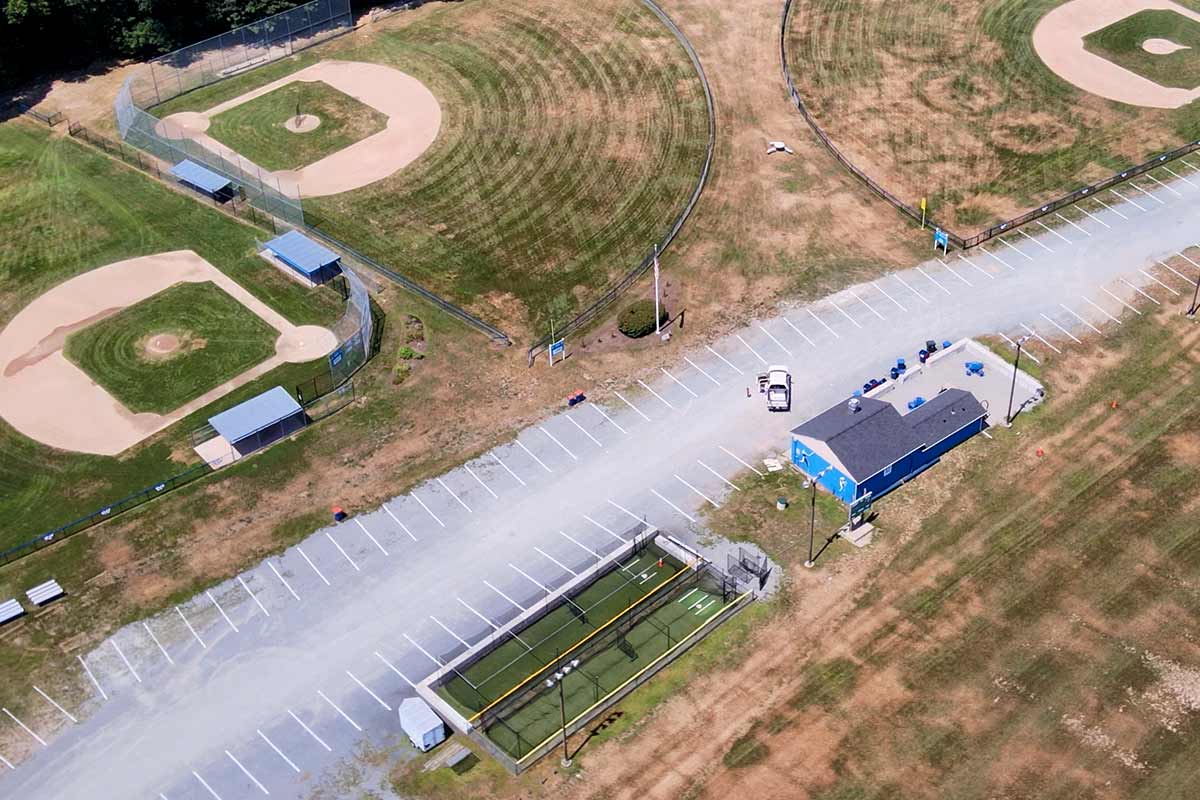
Three project categories share the same removable-paint approach but differ on duration and surface. Event markings define parking layouts for festivals, sporting events, weddings, fairs, and other one-weekend or short-duration uses where the property normally has no defined parking. Construction-zone striping marks vehicle and equipment routes, storage zones, pedestrian walkways, and traffic-control patterns through active job sites for the project duration. Overflow parking layouts handle predictable seasonal demand spikes — additional capacity on grass fields, gravel lots, or under-utilized commercial space — for windows ranging from one weekend to several months. All three use removable water-based traffic paint that bonds enough to read clearly during the use window but releases cleanly afterward.
Surface Types Temporary Striping Works On
Temporary striping works on grass, gravel, pavement, sealed pavement, or any surface — that is the design intent. Each surface gets a different paint formulation and application technique. Grass takes a high-visibility water-based marking spray that reads clearly for the event window and disappears with normal mowing or natural weathering. Gravel and crushed-stone surfaces take a heavier marking paint that resists tire scuff but still releases when the surface is graded. Sealed and unsealed pavement use the same removable water-based traffic paint applied on permanent striping, but at a lighter coat thickness and lower-bond formulation so spring weathering or pressure washing lifts it cleanly.
| Surface | Paint type | Typical visibility window |
|---|---|---|
| Grass / turf | High-visibility marking spray | Event weekend to ~14 days |
| Gravel / crushed stone | Heavy marking paint | 30–60 days |
| Pavement (asphalt) | Removable water-based traffic paint | 30–90 days |
| Sealed pavement | Removable water-based traffic paint | 30–90 days |
Event Permits and Traffic Control Plans
Striping is on us; the permit is on the property owner or event organizer. Most Providence-area municipal events require a permit from the local public works department or special events office, and the striping crew lands against the permit window once it issues. Construction zones run on the property’s traffic-control plan and any Manual on Uniform Traffic Control Devices Part 6 (Temporary Traffic Control) requirements on jobs adjacent to state-maintained roads. Cross-state events that span the RI/MA border may need approvals from both states’ DOTs if the temporary traffic pattern extends to public road frontage.
New England Season Window for Temporary Striping
The same April-through-October window that governs permanent restriping also governs temporary striping. Wet pavement and freezing temperatures both block paint application — schedule lands on dry surfaces with daytime temperatures above 50°F so the water-based paint can flash-cure within the event setup window. Heavy rain in the 24 hours before a job typically pushes the schedule one or two days because residual moisture in pavement pores prevents clean line edges. Light overnight dew is usually fine if the morning sun has burned it off before crew arrival. Late-season temporary striping (October) is workable but cuts cure margin thin — pre-staged paint and a warmed surface help the first line lay clean.
Removability and Cleanup
Removable water-based traffic paint lifts cleanly with weathering, pressure washing, or normal traffic abrasion within the typical event-to-construction-zone window. Most temporary stripes self-clear within 30 to 90 days under New England weather without intervention, particularly through rain and freeze-thaw cycles. Properties needing faster removal — early-fall events on lots that go back into commercial service before winter — schedule a pressure-wash pass that lifts residual paint within hours. Grass and turf surfaces clear themselves: normal mowing and 7-to-14 days of natural growth obscures the markings without any active cleanup step from the property owner.
For a full list of our pavement marking services, visit our parking lot striping in Providence page.
Businesses We Serve




How it Works

GET A FREE ESTIMATE
Contact us today and we’ll have a quote to you in 24 hours

SCHEDULE A STRIPING
We’ll have your space restriped in less than 7 days, without affecting your business hours

GET A PARKING LOT THAT POPS
For a budget-friendly price, you’ll get a parking lot that looks like new
We proudly work with:


We proudly work with:


Frequently Asked Questions About Temporary Parking Lot Striping in Providence, RI
What surface types can temporary striping go on?
Temporary striping works on grass, gravel, pavement, sealed pavement, or any surface — that is the design intent. The paint is removable water-based traffic paint that bonds enough to read clearly during the event window but releases cleanly when the surface is washed or weathers naturally. Grass and gravel temporary jobs are common at festival sites, construction-staging overflow lots, and seasonal-use properties that need defined parking only for a window.
How long does temporary striping stay visible?
Temporary striping designed for short-duration events lasts roughly 30 to 90 days under typical exposure before fading or wearing through. For one-weekend events, the paint reads at full visibility throughout. For multi-month construction-zone work or recurring overflow lots, second-coat refreshes mid-cycle keep the lines readable. Permanent parking layouts use traffic paint or thermoplastic instead — temporary striping is purpose-built for removability, not service life.
Do you handle event permits and striping the same day?
Striping is on us; the permit is on the property owner or event organizer. Most Providence-area municipal events require a permit from the local public works or special events office, and the striping crew lands against the permit window once it issues. Construction zones run on the property’s traffic-control plan and any RI DOT-required temporary traffic control specifications on jobs adjacent to state-maintained roads.
What weather conditions block temporary striping?
Wet pavement and freezing temperatures both block temporary striping. Schedule lands on dry surfaces with daytime temperatures above 50°F so the water-based paint can flash-cure within the event window. Heavy rain in the 24 hours before a job typically pushes the schedule one or two days because residual moisture in pavement pores prevents clean line edges. Light overnight dew is usually fine if the morning sun has burned it off before crew arrival.