Parking Lot Pressure Washing
In Providence, RI
Surface Prep Before Restriping
1-800-STRIPER provides professional parking lot pressure washing in Providence, RI — soft-wash and high-pressure cleaning of asphalt and concrete surfaces, removing oil stains, mildew, and New England winter salt residue before restriping work across Providence and Kent counties.
1-800-STRIPER® of Providence PROVIDes Parking Lot Power Washing Services NEAR YOU
Need to blast away years of grime?
If your parking lot or parking garage looks dull and dirty, our professional crew can wash away grime, oil, stains, and slippery buildup to restore the appearance of your property.
Benefits:
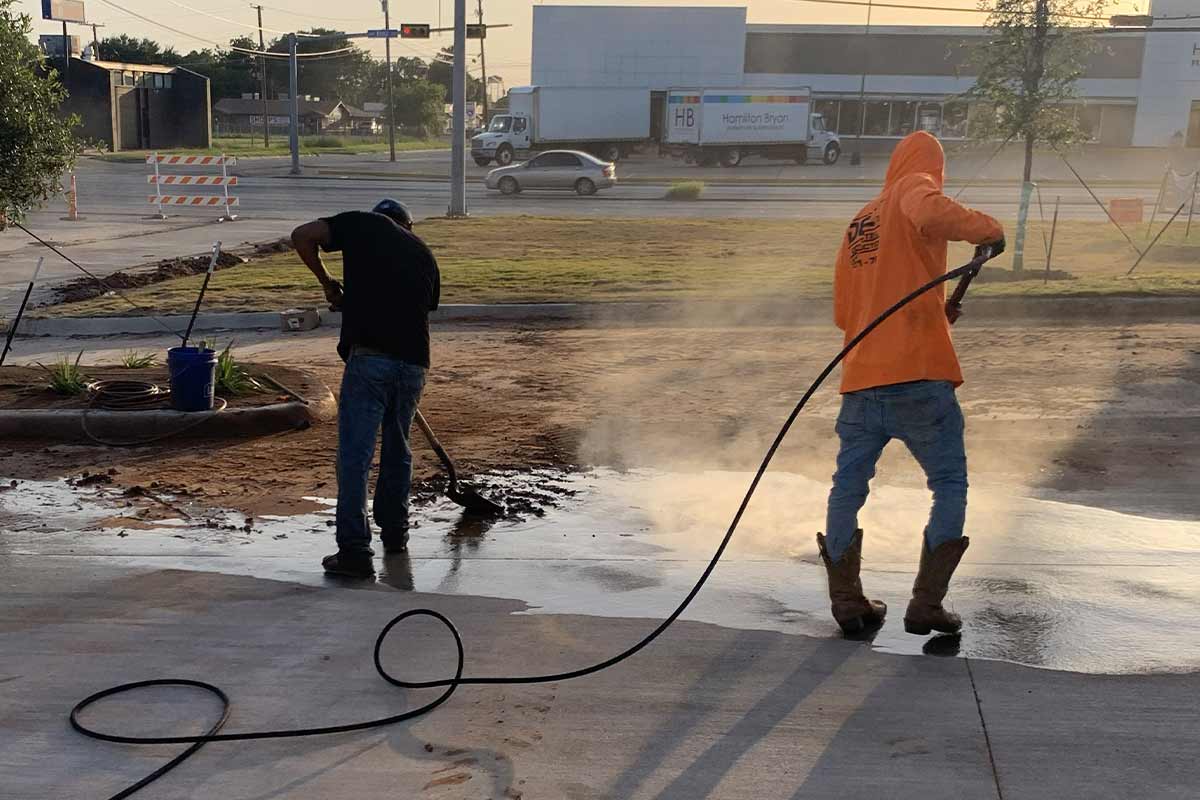
Why Pressure Washing Comes Before Restriping
Fresh traffic paint bonds to a clean, dry surface. Any oil staining, mildew, dirt, or residual road-salt under the new line interferes with paint adhesion and shortens the restripe cycle. Pressure washing strips that contamination layer off before crews lay down fresh stripes, which is why most full restripe jobs include a wash pass one to three days ahead of the paint crew. The wash also lifts ground-in dust and grit that would otherwise embed in the wet paint and create a rough line edge. Skip the wash and the second cycle shows it: shorter line life and faster fade, particularly on lots that carry winter salt residue from January through March.
Wash Frequency for Providence Commercial Parking Lots
Most Providence commercial parking lots want a full pressure wash every 12 to 24 months, usually paired with the restripe cycle or a sealcoat refresh. Annual cleaning makes sense on properties with heavy oil staining (auto-service tenants, fleet yards, fueling stations) or frequent mildew exposure (shaded lots near tree lines, north-facing buildings). Heavy winter road-salt accumulation pushes the cycle shorter for properties where snow gets piled at the lot perimeter — the salt leaches across the asphalt during spring thaw and stains the surface white within weeks. Lighter-use lots with good drainage and minimal tenant oil exposure can stretch to a clean every 24 to 36 months without compromising the paint cycle.
PSI by Surface Type
| Surface | Recommended PSI | Approach |
|---|---|---|
| Aged asphalt | 1,500–2,500 | Soft-wash, flat-angle, lift-only |
| New asphalt (under 1 year) | 1,500–2,000 | Soft-wash, flat-angle, gentle on binder |
| Aged concrete | 3,000–4,000 | Higher-pressure, focused on stains |
| New concrete | 2,000–3,000 | Moderate, post-cure window respected |
| Striped surface (preserve lines) | 1,500–2,000 | Flat-angle, edge-protection, low dwell |
| Sealed asphalt (sealcoat applied) | 1,500–2,500 | Soft-wash, careful — sealer can lift under direct pressure |
Lower pressure handles asphalt; higher pressure handles concrete. Asphalt typically takes a soft-wash approach in the 1,500-to-2,500 PSI range to lift surface contaminants without scouring binder out of the aggregate. Concrete tolerates 3,000 to 4,000 PSI and can take focused pressure on heavy oil stains. Striped surfaces get a lower-pressure pass at a flatter angle to preserve existing line paint when the wash precedes only a partial restripe.
Preserving Existing Stripes During the Wash
Pressure washing handled correctly will not damage existing stripes. Lower pressure (1,500 to 2,500 PSI) applied at a flatter angle preserves traffic paint and thermoplastic markings while still lifting dirt and surface contaminants. Aggressive direct pressure aimed at line edges scours paint from the surface — that is the technique to avoid. Crews working ahead of a full restripe can use higher pressure since the existing lines are about to be repainted anyway, but partial-restripe and stripe-preserving washes need the gentler approach. Wash crews get briefed on the restripe scope before the truck rolls so the technique matches the next-step work.
New England Winter Salt Residue and Spring Wash Demand
New England winter operations leave a film of road-salt and de-icer residue across most commercial parking lots between November and April. Spring thaw lifts the residue out of the pavement and concentrates it at low spots and along curb lines, where it stains the surface and accelerates the breakdown of any traffic paint applied over it. April and May are our busiest pressure-wash months because property managers want the residue lifted before the early-summer restripe crew arrives. Lots adjacent to RI DOT-maintained roads see the heaviest salt exposure because state plows lay heavier salt loads than most municipal operations.
Stormwater Compliance — EPA NPDES MS4 on RI Commercial Property
Pressure-wash discharge from commercial parking lots in Rhode Island falls under the EPA NPDES MS4 stormwater program when the property drains to a municipal storm sewer system. Wash water that carries oil, fuel, antifreeze, or other contaminants cannot enter the storm drain without treatment. Targeted biodegradable pre-treatments handle heavy oil stains, mildew zones, and ground-in salt residue, and crews capture and contain wash water on properties that require it — typical on auto-service tenants, fleet yards, and fueling stations. The Rhode Island Department of Environmental Management enforces the state side of NPDES through Rhode Island General Laws Title 46 and works alongside EPA Region 1 on commercial property permits.
For a full list of our pavement marking services, visit our parking lot striping in Providence page.
Businesses We Serve




How it Works

GET A FREE ESTIMATE
Contact us today and we’ll have a quote to you in 24 hours

SCHEDULE AN INSTALLATION
We’ll have your installation scheduled in less than 7 days, without affecting your business hours

GET A PARKING LOT THAT POPS
For a budget-friendly price, you’ll get a parking lot that looks like new
We proudly work with:


We proudly work with:
Frequently Asked Questions About Parking Lot Pressure Washing in Providence, RI
Should pressure washing come before restriping?
Yes — pressure washing comes before restriping. Fresh traffic paint bonds best to a clean, dry surface, and any oil staining, mildew, dirt, or winter salt residue under the new line will interfere with paint adhesion and shorten the restripe cycle. Pressure washing schedules one to three days before the restripe crew arrives so the surface is fully dry but still clean when fresh lines go down across asphalt and concrete.
How often should a Providence commercial parking lot be pressure washed?
Most Providence commercial parking lots benefit from a full pressure wash every 12 to 24 months, usually paired with the restripe cycle or sealcoat refresh. Properties with heavy oil staining (auto-service tenants, fleet yards), high mildew exposure (shaded lots near tree lines), or heavy winter road-salt accumulation may need annual cleaning. Lighter-use lots can stretch to a clean every two to three years between restripes without compromising the paint cycle.
What PSI do you use on asphalt vs concrete?
Lower pressure handles asphalt; higher pressure handles concrete. Asphalt typically takes a soft-wash approach in the 1,500 to 2,500 PSI range to lift surface contaminants without scouring binder out of the aggregate. Concrete tolerates 3,000 to 4,000 PSI and can take focused pressure on heavy oil stains. Striped surfaces get a lower-pressure pass to preserve existing line paint when the wash precedes only a partial restripe.
Will pressure washing damage existing stripes?
Pressure washing handled correctly will not damage existing stripes. Lower pressure (1,500 to 2,500 PSI) applied at a flatter angle preserves traffic paint and thermoplastic markings while still lifting dirt and surface contaminants. Aggressive direct pressure aimed at line edges scours paint from the surface — that is the technique to avoid. Crews working ahead of a full restripe can use higher pressure since the existing lines are about to be repainted anyway.
Do you use chemical cleaners on parking lots?
Targeted chemical pre-treatments come into play on heavy oil stains, mildew zones, and ground-in salt residue when plain water alone will not lift the contaminant. The chemicals are biodegradable and selected to comply with stormwater discharge requirements — Rhode Island commercial properties draining to municipal storm systems fall under the EPA NPDES MS4 program, and any pressure-wash discharge has to respect the property’s stormwater management plan. Wash water gets captured and contained on properties that require it.