Parking Lot Pressure Washing
In Knoxville, TN
Surface Prep Before Restriping
1-800-STRIPER provides professional parking lot pressure washing in Knoxville, TN — removing dirt, oil, gum, and tire marks from lots, sidewalks, and loading docks while managing wash-water runoff under EPA stormwater (NPDES) requirements for commercial properties across Knox County.
1-800-STRIPER® of Knoxville PROVIDes Parking Lot Power Washing Services NEAR YOU
Need to blast away years of grime?
If your parking lot or parking garage looks dull and dirty, our professional crew can wash away grime, oil, stains, and slippery buildup to restore the appearance of your property.
Benefits:
What Parking Lot Pressure Washing Removes
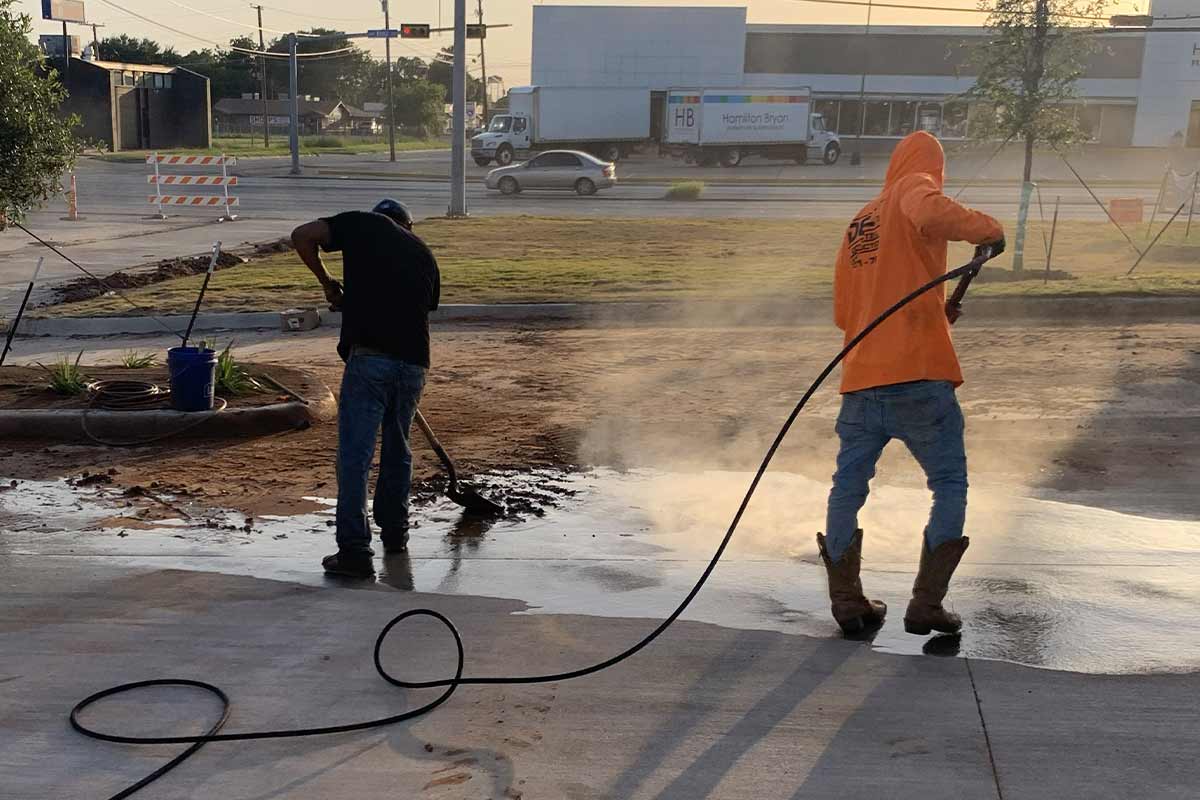
Pressure washing strips a commercial lot back to a clean surface — and a clean lot photographs better, ages slower, and takes fresh paint far better than a dirty one. We remove the buildup that a working lot collects: ground-in dirt and dust, oil and grease stains from parked vehicles, chewing gum, tire scuff marks, mildew and algae in the shaded corners, and the general grime that dulls a surface over a season.
The result is not just cosmetic. Oil and organic growth break down asphalt binder and concrete over time, so washing them off protects the surface as well as its appearance. On a lot that is about to be restriped, cleaning is also the step that makes the new lines actually bond.
Surfaces and Areas We Clean
A parking lot is only part of what most commercial properties need cleaned. We pressure wash the driving surfaces and stalls, but also the areas around them that collect the worst grime: sidewalks and entryway concrete, loading docks and their approaches, dumpster pads and the stains that spread from them, drive-through lanes, and parking-garage decks.
We adjust the pressure and technique to the surface. Concrete sidewalks and dock aprons take a firm, hot-water clean; asphalt gets a gentler approach that lifts grime without chewing up the binder. Heavily stained dumpster pads and drive-throughs may need a degreaser worked in before the rinse. The goal is a genuinely clean surface, not a surface blasted hard enough to damage it.
Wash-Water Runoff and Stormwater Compliance
Pressure washing a commercial lot creates wash water that carries exactly what you just cleaned off — oil, sediment, detergents, and debris — and where that water goes is a real compliance question, not an afterthought. Under the EPA’s National Pollutant Discharge Elimination System (NPDES) stormwater program, that runoff is not supposed to flow untreated into a storm drain, which typically discharges straight to a creek or river. In Tennessee, the program is administered by TDEC.
We work to that standard, using best-management practices to contain, divert, or capture wash water rather than letting it run to the nearest inlet. That is the responsible way to clean a lot, and it keeps a routine maintenance job from turning into a stormwater violation. On the licensing question specifically: Tennessee does not issue a pressure-washing-specific state license, so the real obligation is handling the runoff correctly, which we do.
Pressure Washing Before Restriping
Cleaning and striping go together, and doing them as one job saves you a visit. Traffic paint bonds to a clean, dry surface — oil, dust, and grime are exactly what makes fresh lines peel or fade early. So when a lot is due for a restripe, washing the areas we are about to paint is not an upsell, it is the prep that makes the striping last.
We frequently pair the two: pressure wash the lot, let it dry, then stripe. If you are calling about a restripe and your lot is visibly dirty, ask about doing both together — it is more efficient than scheduling two separate crews and it gives the new paint the best surface to grab.
Our Pressure Washing Process
We keep pressure washing organized around the surface and the runoff:
- Walk and assess. We look at the surfaces, the heaviest stains, and where the wash water will drain before we start.
- Prep and contain. We clear the area and set up runoff containment or diversion so wash water does not run straight to a storm drain.
- Wash to the surface. We match pressure and technique to the material — gentler on asphalt, firmer on concrete — and work in a degreaser on heavy oil or dumpster-pad stains.
- Rinse and manage runoff. We capture or divert the wash water under NPDES/TDEC best-management practices rather than letting it reach an inlet.
- Dry and restripe if needed. We let the surface dry, and if you are pairing the wash with a restripe, we stripe once it is ready.
For a full list of our pavement marking services, visit our parking lot striping in Knoxville page.
Businesses We Serve


How it Works

GET A FREE ESTIMATE
Contact us today and we’ll have a quote to you in 24 hours

SCHEDULE AN INSTALLATION
We’ll have your installation scheduled in less than 7 days, without affecting your business hours

GET A PARKING LOT THAT POPS
For a budget-friendly price, you’ll get a parking lot that looks like new
We proudly work with:


We proudly work with:
Frequently Asked Questions About Parking Lot Pressure Washing in Knoxville, TN
How much does it cost to pressure wash a parking lot?
It depends on the square footage, how heavily soiled the surface is, and which areas — lot, sidewalks, docks, dumpster pads — are included. Because those factors swing the number so much, we do not quote from a flat rate. Send us the property details and we will return a free estimate. If you are also due for a restripe, ask about pairing the two, since washing is the prep the new paint needs anyway and doing both together is more efficient than two visits.
Can you pressure wash an asphalt parking lot without damaging it?
Yes. Asphalt needs a gentler touch than concrete — too much pressure can chew up the binder that holds it together — so we adjust the pressure and technique to the surface. On asphalt we lift oil and grime with the right combination of pressure, hot water, and degreaser rather than sheer force. Concrete sidewalks and dock aprons can take a firmer clean. Matching the method to the surface is how we get it genuinely clean without harming it.
Do you capture or divert the wash water?
Yes. Wash water carries the oil, sediment, and detergent we just cleaned off, and under the EPA’s NPDES stormwater program that runoff should not flow untreated into a storm drain. We use best-management practices — containing, diverting, or capturing the water — so it does not run straight to an inlet and out to a creek. Tennessee administers the program through TDEC. Handling the runoff correctly is part of the job, not an extra.
Do I need a license to pressure wash in Tennessee?
There is no Tennessee pressure-washing-specific state license — a standard business license covers the trade. The real obligation is not a permit but the wash water: the EPA’s NPDES stormwater program governs where that runoff can go, and Tennessee enforces it through TDEC. So the responsible question is not “who is licensed” but “who manages the runoff,” and we do that with proper containment and best-management practices on every commercial job.
How often should a commercial lot be pressure washed?
Once or twice a year suits most commercial lots, though it depends on traffic and what the property collects. A restaurant or grocery lot with heavy foot traffic, grease, and dumpster stains benefits from more frequent cleaning; a quiet office lot needs it less often. Entryways, drive-throughs, and dumpster pads usually need attention sooner than the open parking areas. We can recommend a cadence based on how your specific property soils.
Should I pressure wash before restriping?
Yes — cleaning is the prep that makes striping last. Traffic paint bonds to a clean, dry surface, and oil, dust, and grime are the main reasons fresh lines peel or fade early. Washing the areas we are about to paint is not an upsell; it is the step that protects the new markings. If your lot is due for a restripe and looks dirty, we will usually pair the wash and the stripe as one job, which is more efficient than scheduling two separate visits.