
Temporary Parking Lot Striping
In Orlando South, FL
Event and Construction Markings
1-800-STRIPER® provides temporary parking lot striping in Orlando South, FL — laying out stalls, drive lanes, entry and exit paths, and pedestrian walkways on grass, gravel, pavement, or any surface for event parking, overflow lots, and construction phasing across Central Florida.
1-800-STRIPER® of Orlando South PROVIDes Temporary Parking Lot Striping Services NEAR YOU
Need Temporary Stripes?
Use temporary stripes to direct traffic and create parking areas at your special event or to keep construction sites safe without a long-term commitment. We paint on grass, gravel, pavement, or any other surface where temporary striping is needed.
Striping solutions for:
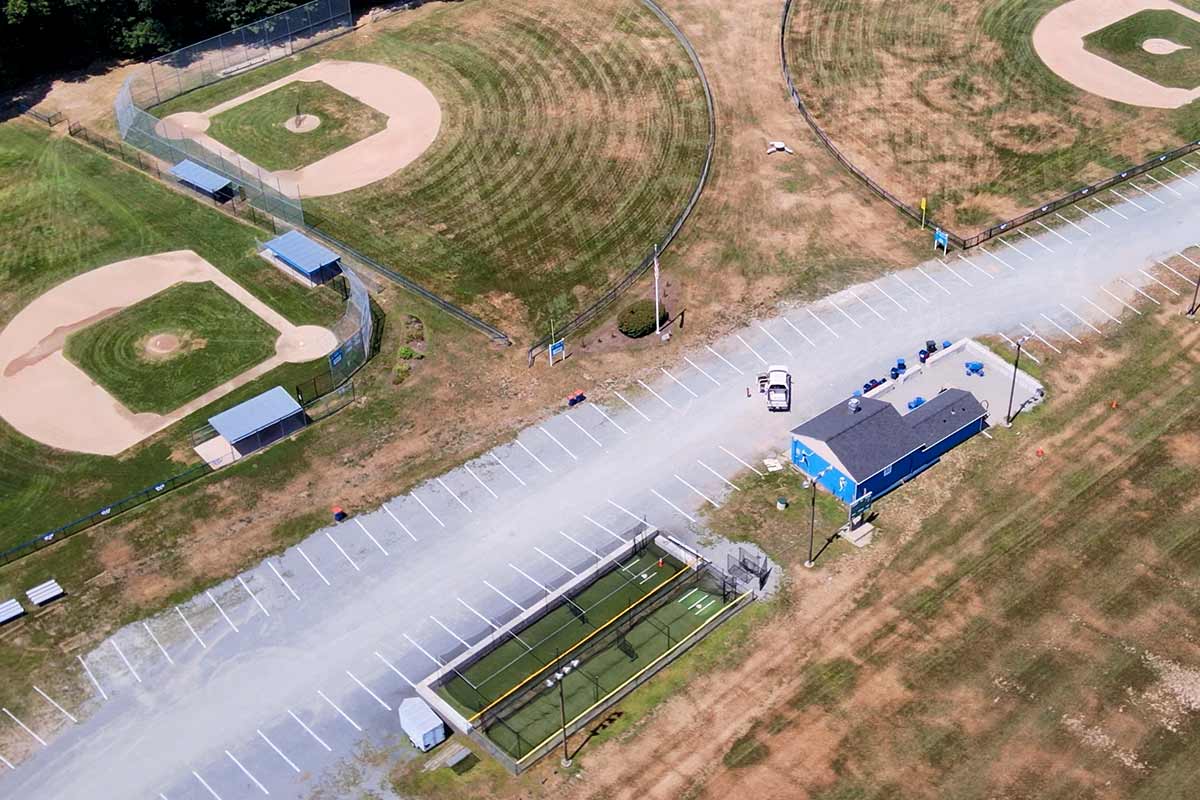
Temporary Parking Lot Striping in Orlando South on Grass, Gravel, Pavement, or Any Surface
Temporary parking lot striping is a set of markings that organizes a lot for a limited time, on almost any ground. That ground can be grass, gravel, pavement, or any surface that has to hold cars for a day, a season, or a construction phase. Orlando South covers Orange, Lake, Osceola, and Polk counties, and the surfaces vary as much as the sites do.
Each surface behaves differently. Grass takes a mark quickly but can look washed out after rain or heavy tires, and gravel shifts underfoot, so lines are placed with that in mind. Pavement holds the sharpest lines and is where a temporary layout most often sits beside permanent markings. Whether the site is a field turned overflow lot, a gravel pad behind a building, or a closed section of an asphalt lot, the aim is the same: drivers should be able to read the layout without someone waving them in.
Event and Overflow Parking Layouts
Event and overflow parking is the most common reason for temporary striping. Central Florida hosts a steady run of festivals, sporting events, school events, weddings, church services, and attraction-area crowds, and when a regular lot cannot hold them, owners open a field, a side lot, or an unused corner of the property.
An unmarked field fills badly. Cars angle in at random and block each other, aisles disappear, and the last arrivals cannot get out. Marking stalls in rows, keeping drive aisles open, and separating entries from exits where the site allows fixes the geometry, so more cars fit and they leave faster.
Event layouts also need room for people on foot. Mark walkways from the overflow area to the entrance and keep them clear of vehicles. Think about accessible parking early too, so it sits on the shortest practical route to the entrance rather than at the far end of the field.
Construction Phasing and Temporary Parking Lot Layouts
Construction and repair projects often cut a lot into phases. A paving or sealcoating contractor closes one section while the rest stays in use, a renovation fences off a corner, or a utility trench crosses the drive aisle. Every phase changes where cars can go.
Temporary striping keeps the open section working for commercial tenants and customers. It can move stalls into the part that remains, mark a revised drive lane around the work, and redirect traffic through a new entry. Pedestrian paths get marked as well, so people are not walking through an active site. When a phase ends, the temporary layout can be changed or taken out of use with the next one.
Phasing plans rarely hold still, so the layout is discussed before the work rather than after. If a repair or pothole fill moves from one section to the next, the temporary markings can follow it.
Temporary vs Permanent Parking Lot Striping
| Factor | Temporary striping | Permanent striping |
|---|---|---|
| Purpose | Short-term event, overflow, or phase | Long-term lot layout |
| Surfaces | Grass, gravel, pavement, any surface | Mainly paved asphalt or concrete |
| Lifespan | Planned for a defined period | Planned to last for years |
| Layout | Can change from one phase or event to the next | Fixed once the lot is finalized |
| Compliance | Still needs safe traffic flow, fire access, and accessible spaces | Follows the full code requirements for the lot |
A short-term layout still has to move traffic safely, keep emergency vehicles able to reach the building, and offer accessible parking where it is required. The marking approach is chosen to suit the surface and the length of use, and we talk that through during the estimate.
Fire Access and Safety in a Temporary Parking Layout
Fire access comes first in any temporary plan. Overflow rows should never block a posted fire lane, a hydrant, or a fire department connection. The Florida State Fire Marshal’s local amendments index lists fire prevention code amendments on file for the City of Orlando, Orange County, Kissimmee, Ocoee, and Winter Garden, so the rules can differ between towns in our territory. Your local fire marshal is the authority having jurisdiction, and a short call before an event can keep a layout from being reworked.
Beyond fire access, a few basics apply:
- Mark entries and exits clearly, and avoid making cars cross each other.
- Keep aisles wide enough for the vehicles you expect.
- Light and sign the route on foot for evening events.
- Keep walkways free of parked cars.
Planning a Temporary Layout Around Central Florida Weather
Central Florida has a summer rainy season with frequent afternoon thunderstorms, plus strong sun and heat nearly all year, and both shape a temporary job. Grass and gravel are slow to dry after a storm, and wet ground holds a mark poorly, so for an event with a firm date, allow a buffer day or two for weather.
A temporary striping project typically runs in this order:
- Define the use. Event or phase, start date, how long the layout stays in place.
- Walk the site. Look at the surface, the entry points, and the fire access.
- Draw the layout. Stalls, aisles, and walkways are planned to fit the space.
- Mark it out. The lines go down on grass, gravel, pavement, or whatever surface the site has.
- Check it. Walk the lot and confirm traffic flow before the first car arrives.
What to Have Ready Before You Book Temporary Striping
The size of the area, the surface, the number of stalls and walkways, and the number of phases or event dates all shape the scope. Tell us those at (321) 234-3110 and we will give you a free estimate for Orlando South.
For a full list of our pavement marking services, visit our parking lot striping in Orlando South page.















How it Works

GET A FREE ESTIMATE
Contact us today and we’ll have a quote to you in 24 hours

SCHEDULE A STRIPING
We’ll have your space restriped in less than 7 days, without affecting your business hours

GET A PARKING LOT THAT POPS
For a budget-friendly price, you’ll get a parking lot that looks like new
We proudly work with:


We proudly work with:


Frequently Asked Questions About Temporary Parking Lot Striping in Orlando South, FL
Can you stripe temporary parking on grass or gravel?
Yes. Temporary striping covers grass, gravel, pavement, and any surface that has to hold cars for a limited time. The ground changes how lines are placed and how long they stay readable, so the approach is picked to fit the surface and the length of use. Give us the surface and the dates when you ask for the estimate.
How do I lay out an overflow parking lot for an event?
Begin with traffic flow. Decide where cars enter and leave, keep drive aisles open, mark stalls in rows, and add marked walkways to the entrance. Fire lanes and hydrants stay clear, and accessible spaces go on the shortest practical route to the door. A planned layout fits more cars than an unmarked field and empties faster once the event ends.
How far ahead should I schedule temporary striping in Central Florida?
Book early, particularly for a fixed event date. Central Florida has a summer rainy season with frequent afternoon thunderstorms, and wet grass or gravel dries slowly and does not hold a mark well. A buffer of a day or two before the event keeps one storm from pushing the layout past your opening, and it leaves room to adjust the plan if the forecast changes.
Can temporary striping help during parking lot construction?
It can. When a paving, sealcoating, or repair project closes part of a lot, temporary lines can move stalls into the open section, mark a revised drive lane around the work, and keep pedestrian paths away from machinery. Each phase can get its own layout. Pass along the phasing plan from your contractor and we can mark to match.
Do temporary parking markings still need to follow fire and accessibility rules?
They should serve the same safety goals. Emergency vehicles need to reach the building, and accessible parking should still be available where it is required. Fire rules vary by town in Central Florida, and the State Fire Marshal lists local fire code amendments for several of our cities. Check your event layout with your local fire marshal, the authority having jurisdiction.