
When Sealcoating Is Not a Good Idea in the Greater Seattle Area
Sealcoating can be a great asphalt maintenance tool, but it’s not a cure-all. In the Seattle / Puget Sound region, the climate and pavement conditions can make sealcoating a bad investment in certain situations.
This guide covers when it’s smarter to pause, repair first, or choose a different approach entirely.
Why Seattle’s Climate Changes Sealcoating Decisions
Western Washington brings unique challenges: frequent rainfall, long periods of surface moisture, limited dry windows, and moss/algae growth. Sealcoating is highly sensitive to moisture and cure conditions, so timing and surface prep matter a lot more here than in drier climates.
If you’re planning a project, it helps to keep an eye on local conditions using the National Weather Service (Seattle area).
1) When the Asphalt Has Significant Alligator Cracking
Alligator cracking (interconnected “scale-like” cracking) is usually a sign of structural failure, not surface wear. Sealcoating is a surface treatment, so it won’t solve base issues, poor compaction, or repeated heavy loading.
In these situations, sealcoating can even backfire by hiding problem areas temporarily while the pavement continues failing underneath. The better move is typically patching, overlays, or reconstruction depending on severity.
2) When the Asphalt Is Too Oxidized or Raveling
If your pavement is light gray, brittle, or “shedding” aggregate (raveling), it may be too far gone for sealcoat to bond well. Sealcoating relies on adhesion. Severely oxidized asphalt often leads to early flaking, peeling, or uneven wear.
A practical rule: if the surface feels very dry and rough, or you’re losing aggregate easily, you may need repairs first (or a different treatment entirely).
3) When Drainage Problems Haven’t Been Addressed
Standing water is one of the fastest ways to shorten pavement life. If a lot has ponding, low spots, or poor drainage, sealcoating won’t fix the root cause.
Water sitting on fresh sealcoat can delay curing and accelerate wear. In the Seattle area, drainage issues tend to show up quickly once the rainy season returns.
4) When the Weather Window Is Marginal
Sealcoating needs a predictable dry window and temperatures that support proper curing. In Puget Sound, late fall through early spring is often risky unless conditions are unusually favorable.
If rain shows up too soon, or the surface stays damp all day (common in shaded lots), sealcoat can track, wash, or cure unevenly. The result is often premature failure and a frustrating redo.
If you’re scheduling work, it’s also worth being aware of local guidance and seasonal realities from the Washington State Department of Transportation (WSDOT) (especially if you’re working near public right-of-way or high-traffic corridors).
5) When Striping Is the Real Need (and Sealcoating Is Optional)
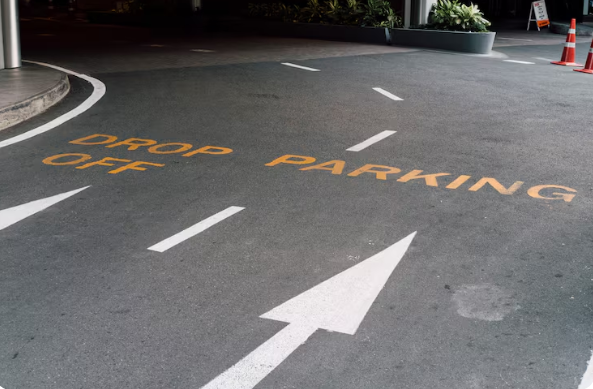
A lot of properties don’t actually need sealcoating, they need fresh striping. If the asphalt is structurally sound, still relatively intact, and the main issue is faded markings, restriping can restore safety and organization without re-sealcoating.
Over-treating pavement can be as wasteful as under-maintaining it. A condition-based approach usually wins long-term.
6) When Sealcoating Is Being Used to Hide Issues
Sealcoating can make a lot look dramatically better short-term, which is why it’s sometimes used as a cosmetic fix for bigger problems. In Seattle’s wet climate, those underlying issues tend to reappear fast, often worse, once water finds its way into cracks and weak areas.
A Smarter Pavement Maintenance Approach for Seattle
The best maintenance plans in Western Washington are condition-based, timed around weather, and realistic about what sealcoating can (and can’t) do. Sealcoating tends to perform best when:
- The asphalt is structurally sound
- Cracks and patching are handled first (where needed)
- The surface is properly cleaned and dry before application
- There’s a safe cure window (no surprise rain)
- Expectations match the pavement condition
Sometimes the right call is to sealcoat later, or not at all.
FAQ: Sealcoating in the Greater Seattle Area
Can sealcoating make alligator cracking worse?
Sealcoating doesn’t cause structural failure, but it can hide and mask alligator cracking temporarily, which sometimes leads owners to delay needed repairs. In wet conditions, water intrusion and freeze-thaw cycles can continue underneath, and the lot may deteriorate faster than expected.
Does sealcoating fix cracks?
No, sealcoating is a surface treatment. It can help protect the surface, but it does not structurally repair cracks. Cracks typically need crack sealing, patching, or other repairs first depending on severity.
What if my asphalt is faded, should I sealcoat or just restripe?
If the pavement is structurally sound and your main issue is faded markings, restriping alone may be the better value. Sealcoating is most useful when you’re trying to protect asphalt from moisture/oxidation and the surface condition supports it.
When is the best time of year to sealcoat around Seattle?
The best windows are typically late spring through early fall, when temperatures are stable and there’s a reliable dry forecast. The specific “best week” depends on local weather and how shaded/damp your site stays throughout the day.
How long does sealcoating take to dry in the Puget Sound climate?
It varies with temperature, humidity, airflow, and shade. Sealcoat may feel dry within hours, but vehicle traffic is often safest after 24–48 hours in many Seattle-area conditions. Cooler or shaded areas can take longer.
Is sealcoating worth it for lots with ponding water?
If water consistently pools, it’s usually better to address drainage or grading issues first. Standing water can shorten sealcoat life, delay curing, and accelerate wear, especially through the rainy season.
Can you sealcoat in winter in Seattle?
Sometimes, but it’s often risky. Winter brings frequent rain and cooler temperatures that can prevent proper curing. If conditions aren’t right, waiting is usually the smarter (and cheaper) choice.
Do I need to worry about ADA markings when sealcoating?
Yes. After sealcoating, existing markings are typically covered and need to be repainted accurately. For official ADA guidance on parking, you can reference the ADA parking requirements.
Helpful Local Links