- 1911: Edward N. Hines paints the first centerline.
- 1917: California mandates centerlines on highways.
- 1950s: Reflective glass beads are added to paint.
- 1970s: Thermoplastic striping becomes popular.
- Today: Eco-friendly paints and advanced technology lead the industry.
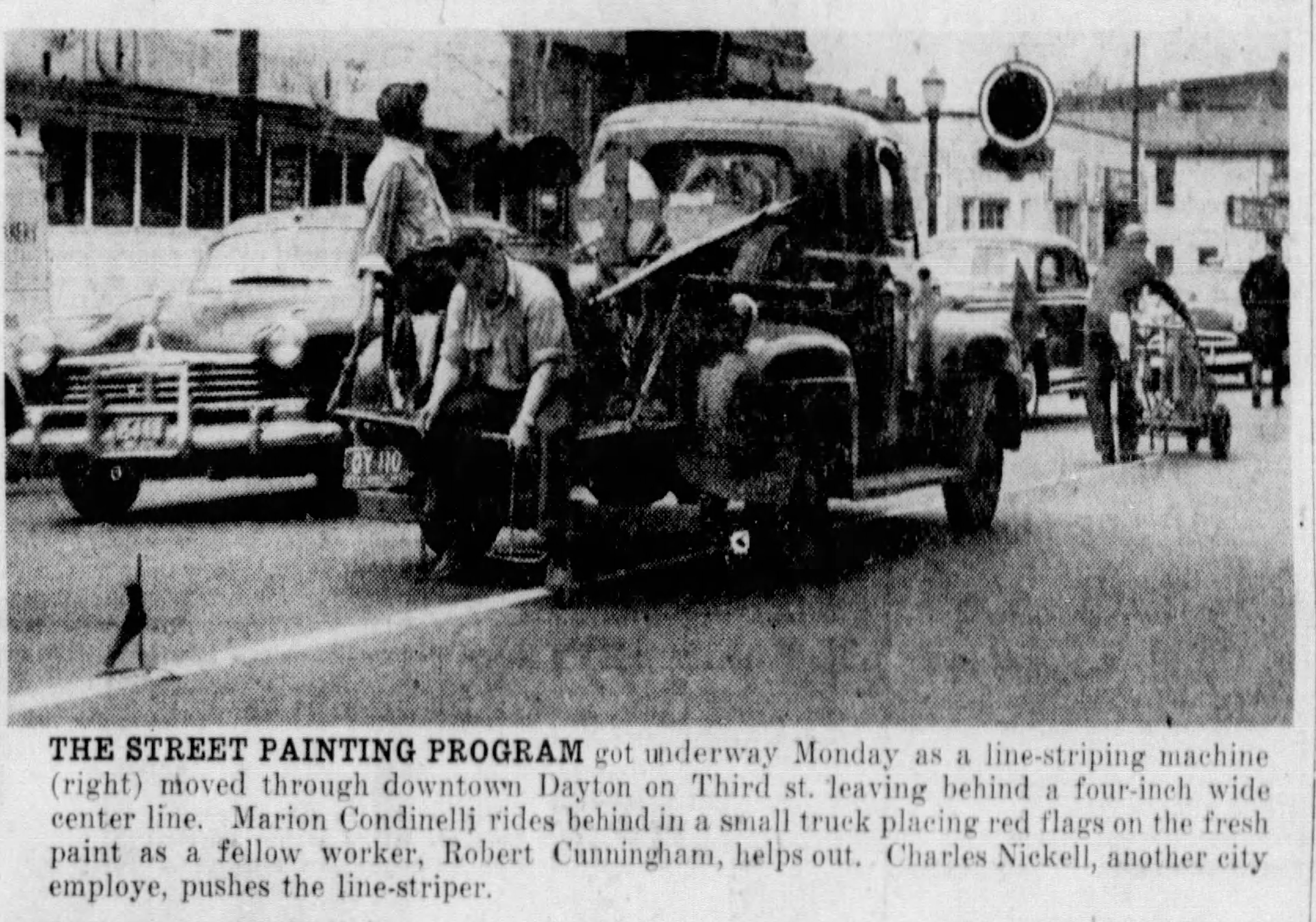
At 1-800-Striper of Providence, we take pride in being Rhode Island’s leading provider of professional line striping services. Understanding the history of line striping helps us appreciate how far this essential industry has come. In this blog, we’ll explore the origin, development, and future of line striping. This guide will answer common questions and provide the information you need to understand this vital service.
What Is Line Striping?
Line striping refers to the painted markings on roads, parking lots, and other surfaces. These lines organize traffic, increase safety, and improve efficiency. Common examples include lane dividers, crosswalks, and parking space lines.
The Origin of Line Striping
The concept of marking roadways dates back to the early 20th century. Before line striping, roads were chaotic. Drivers relied on their judgment, which led to frequent accidents.
The first known line striping appeared in 1911. Edward N. Hines, a road commissioner in Michigan, is credited with the idea. After noticing a leaking milk wagon leaving a white trail, Hines thought painted lines could guide traffic. His innovation led to the first centerline on a public road. This simple idea drastically improved road safety.
By 1917, the concept spread to other parts of the U.S. California became the first state to require centerlines on rural highways. Soon after, other countries began adopting similar practices.
The Evolution of Line Striping Materials
In the early days, basic paint was the standard. However, it wore out quickly under heavy traffic and bad weather.
By the 1950s, reflective glass beads were introduced. These beads made lines visible at night and during rain. The innovation increased safety and set a new standard.
Today, thermoplastic materials, epoxy, and durable paints are common. These materials last longer and withstand tough conditions. Advanced equipment ensures precision and consistency in every line.
Why Did Line Striping Become So Important?
As car ownership increased, so did the need for safer roads. Line striping helped manage the growing traffic. It reduced accidents and improved traffic flow.
In urban areas, parking lots became essential. Clear markings maximized space and ensured easy navigation. Businesses soon realized that well-striped lots improved customer satisfaction and safety.
Key Milestones in Line Striping History
1-800-STRIPER® PROVIDING Striping Services NEAR YOU
More Blog posts from 1-800-STRIPER®