Acrylic Paint for Tennis Courts: What It Is, Why It’s Used, and When to Recoat
If you’ve been researching acrylic paint for tennis courts, you’re probably trying to answer a few practical questions:
What type of paint is actually used on courts, how long does it last, and is this something you can DIY, or is it better handled by a pro?
This guide breaks it down in plain English, with real-world considerations for asphalt and concrete courts, especially in wet climates like the Pacific Northwest.
What Is Acrylic Paint for Tennis Courts?
“Acrylic paint” for tennis courts is usually referring to a water-based acrylic court coating system, not the same acrylic craft paint you’d buy at a hardware store.
It’s designed specifically for athletic surfaces to provide:
- Consistent traction (important for player safety and predictable movement)
- UV resistance to reduce fading
- Weather resistance for outdoor exposure
- Controlled texture using graded sand for grip
On most outdoor courts, the acrylic system sits on top of asphalt or concrete. The coating doesn’t “fix” structural problems in the pavement, but it can protect the surface and improve playability when the base is in decent condition.
Why Acrylic Is the Industry Standard for Tennis Courts
Acrylic systems are widely used because they strike a good balance of durability, traction, maintenance, and cost. When installed correctly, they create a uniform playing surface that holds up to regular play and outdoor exposure.
1) Traction You Can Control
Tennis court coatings are typically “textured” by blending silica sand into the acrylic resurfacer and/or color coats. That texture matters, too smooth can be slick, and too rough can feel slow or abrasive. The right system creates dependable grip without chewing up shoes (or knees).
2) Better Outdoor Durability
Acrylic court coatings are built for sun, rain, and temperature swings. In places with wet seasons, the key is not just the paint, it’s prep, drainage, and timing. A great coating over a poorly prepared surface will still fail early.
3) Easier Maintenance Over Time
Acrylic courts are also relatively straightforward to maintain. Routine cleaning, crack attention, and periodic recoats are usually enough to keep the court looking sharp and playing consistently.
Acrylic Tennis Court Coating Systems: What “Painting a Court” Actually Includes
One of the most common misunderstandings is thinking a tennis court is simply “painted.” Most quality projects follow a system like this:
- Surface prep: pressure washing, clearing growth/debris, and addressing oil/contamination
- Crack repair: repairing cracks so they don’t immediately telegraph through the coating
- Leveling / patching: correcting birdbaths or low areas where water ponds
- Acrylic resurfacer: a base layer to fill minor surface imperfections and create uniform texture
- Color coats: typically two coats for even color and consistent texture
- Line striping: accurate, regulation-correct lines with crisp edges
In other words, the “paint” is just one part of the job. Most performance issues people complain about (peeling, puddling, slipperiness, uneven bounce) trace back to prep, leveling, or improper application timing.
Acrylic Paint vs Other Options (Quick Comparisons)
Acrylic Court Coatings vs Standard Exterior Paint
Standard exterior paint is not engineered for athletic traction, abrasion, or texture control. On a tennis court, it typically wears unevenly and can become slick. If you want a court that plays right, use a true acrylic court coating system.
Acrylic vs Epoxy (Common Indoor Confusion)
Epoxy coatings are common for warehouses and some interior floors. Tennis courts generally use acrylic systems designed for outdoor exposure and sport traction. Indoor sport surfaces can vary widely depending on material and use case.
Acrylic vs Stain / “Seal” Products
Some products marketed as sealers or stains can change appearance, but they typically don’t provide the same sport-surface texture control or consistent playability as true acrylic systems.
How Long Does Acrylic Tennis Court Paint Last?
A well-installed acrylic system commonly holds up for 3–5 years before a refresh is needed, but lifespan varies based on:
- Traffic level: private courts vs public or high-use facilities
- Surface condition: existing cracks, raveling, or poor drainage
- Weather exposure: wet seasons, shade, and freeze-thaw cycles
- Prep quality: cleaning, repairs, and proper layer thickness
- Maintenance: keeping organic growth and debris under control
If your court has low areas that pond water, or if cracks are actively moving, the coating will show wear faster. In those cases, addressing the underlying issues is usually the biggest “ROI move,” not chasing a different brand of paint.
Can You Apply Acrylic Tennis Court Paint Yourself?
Technically, yes, some homeowners and facilities DIY acrylic tennis court coatings. The challenge is that the “hard part” usually isn’t rolling color on the surface. It’s everything that makes the finish look professional and play correctly:
- Surface prep (cleaning, removing growth, and creating proper adhesion)
- Crack repair that won’t fail immediately under the coating
- Leveling birdbaths so you don’t end up with constant puddles
- Consistent texture (sand mix ratio and even application)
- Line accuracy (straightness, regulation dimensions, crisp edges)
- Weather timing (temperature, humidity, and cure windows)
If the court is small, lightly used, and in good shape, DIY can be reasonable. If it’s a high-visibility property, shared facility, or anything with drainage/crack issues, most people are happier hiring it out.
Signs It’s Time to Recoat or Resurface Your Tennis Court
- Color fading (UV exposure and wear)
- Slick spots or inconsistent traction
- Cracks telegraphing through the coating
- Puddling / birdbaths after rain
- Uneven bounce caused by surface wear or low areas
- Lines are worn or no longer crisp
If you’re seeing multiple issues at once, it may be more than a simple “paint job.” A proper resurfacing plan usually includes repairs and leveling, not just color coats.
How Much Does Acrylic Tennis Court Paint (and Resurfacing) Cost?
Tennis court coating costs can vary a lot based on the condition of the base and how much prep is required.
In general, pricing depends on:
- Number of coats and system type
- Crack repair scope
- Leveling/birdbath correction needs
- Access, staging, and site logistics
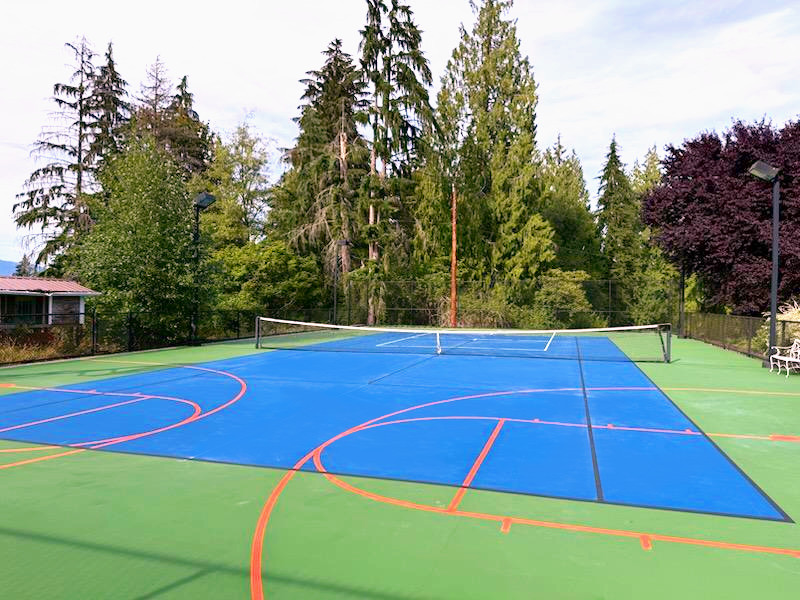
- Line striping complexity (tennis-only vs tennis + pickleball lines)
The most accurate way to price is a quick site walk or reviewing current photos. If you’re budgeting early, get a range based on whether the court is “clean and sound” versus “needs repairs and leveling.”
Choosing a Contractor for Acrylic Tennis Court Painting
If you’re hiring a pro, look for someone who talks more about prep and surface condition than paint brand.
You can also ask:
- How will you handle cracks and moving joints?
- How do you address birdbaths / standing water?
- What’s your plan for texture consistency and traction?
- How do you schedule around weather and cure time?
- Can you stripe both tennis and pickleball accurately?
A good contractor will have a clear process, explain tradeoffs, and be upfront about what a coating can and can’t fix.
Need Tennis Court Coatings or Sport Court Striping?
If you’re in the greater Seattle / Puget Sound area and planning a tennis court refresh, we can help you think through the right approach, whether that’s a straightforward recoat or a full resurfacing plan with repairs and line striping.
Request a quote here or call 1-800-STRIPER.
FAQ: Acrylic Paint for Tennis Courts
Is acrylic tennis court paint slippery?
It shouldn’t be when installed correctly. Sport-surface acrylic systems use sand for texture and traction. Slippery courts are often caused by improper texture, contamination, or coating failure.
Can acrylic court coatings be used on concrete?
Yes. Acrylic systems are commonly applied over both asphalt and concrete. The key is proper prep and addressing cracks or joints that may move.
Can I add pickleball lines to an existing tennis court?
Yes, many facilities add pickleball lines during a recoat or resurfacing. The cleanest results usually happen when the surface is refreshed first, then lines are added with crisp, accurate measurements.
What’s the best time of year to paint or recoat an outdoor tennis court?
Dry windows with consistent temperatures are ideal. Most acrylic systems require temperature and moisture conditions that support proper curing. In wet climates, scheduling and weather planning matter a lot.
Does acrylic paint “fix” cracks?
No, acrylic coatings can cover minor texture issues, but cracks should be repaired first. If cracks are actively moving, they can reappear even after resurfacing.