Clay vs Grass vs Hard Tennis Courts: How Different Court Surfaces Behave
Tennis courts are often grouped together as if they are all the same, but the surface beneath the lines makes a significant difference in how a court plays, wears, and is maintained over time.
Clay, grass, and hard tennis courts are built differently, respond differently to weather, and require very different approaches to upkeep. Understanding these differences helps explain why certain courts last longer, why some surfaces are more common in specific regions, and why maintenance strategies vary so widely.
Below is an overview of the most common tennis court surface types and how they behave, with particular attention to outdoor courts in the Pacific Northwest.
Hard Tennis Courts
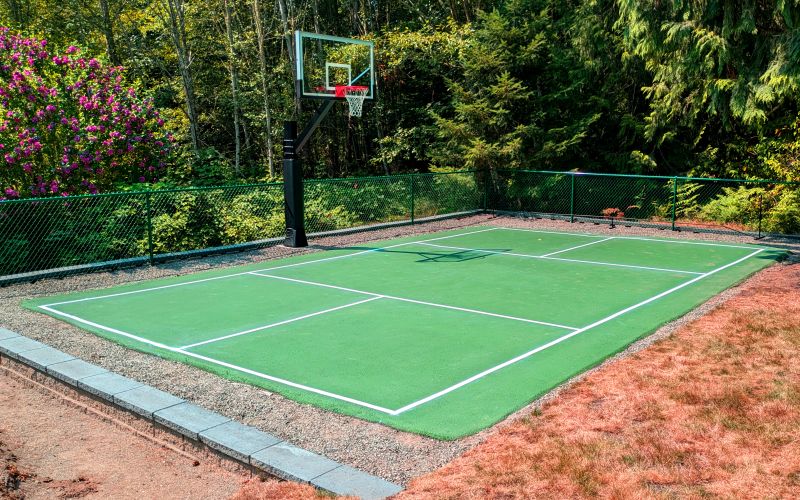
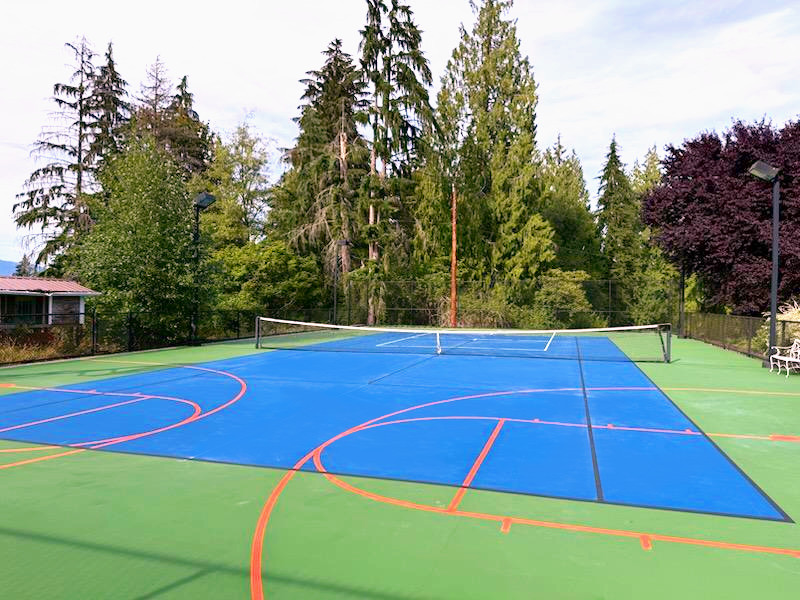
Hard courts are the most common type of tennis court in the United States. These courts are typically constructed on an asphalt or concrete base and coated with a water-based acrylic surface system.
How Hard Courts Behave
- Provide a consistent and predictable ball bounce
- Offer moderate to fast playing speed
- Maintain uniform footing across the surface
Because the playing surface is bonded to a rigid base, movement in the underlying asphalt or concrete can eventually show through as surface cracking or wear. The acrylic coating itself is designed to flex slightly to accommodate normal temperature changes.
Climate Considerations
In wet climates, hard courts tend to perform better than other surface types. The acrylic system sheds water and dries relatively quickly compared to clay or grass surfaces. However, shaded areas, poor drainage, and lingering moisture can still affect long-term performance.
Clay Tennis Courts
Clay courts are far less common in the Pacific Northwest but are found in some private clubs and specialty facilities. These courts are made from crushed stone or brick materials rather than a solid, coated surface.
How Clay Courts Behave
- Slower playing speed
- Higher and softer ball bounce
- Greater forgiveness on joints
Clay courts are intentionally loose and are designed to wear and shift in controlled ways. Lines are typically embedded or taped rather than painted.
Maintenance Characteristics
Unlike hard courts, clay courts are not resurfaced with coatings. Ongoing maintenance usually includes daily grooming, periodic regrading, and replacement of surface material as it wears away.
Because of the high maintenance requirements and sensitivity to moisture, clay courts are less practical in regions with frequent rain.
Grass Tennis Courts
Grass courts are rare in the United States and extremely uncommon in the Pacific Northwest. These courts rely on natural turf rather than a manufactured surface.
How Grass Courts Behave
- Fast play with low, unpredictable bounce
- High sensitivity to weather and wear
- Variable playing conditions throughout the season
Grass courts are living systems. Soil conditions, drainage, turf health, and mowing practices all directly influence playability.
Maintenance Reality
Grass courts require constant attention, including mowing, irrigation control, turf repair, and careful line marking on living grass. Traditional resurfacing does not apply to grass courts.
Because of these requirements, grass courts are typically limited to exhibition venues or private estates with dedicated maintenance staff.
Why Hard Courts Dominate in the Pacific Northwest
Climate plays a major role in determining which court surfaces are practical in a given region.
In Western Washington, common conditions include:
- Extended wet seasons
- Shaded courts that dry unevenly
- Seasonal expansion and contraction of slabs
Hard courts with acrylic surfacing systems are better suited to these conditions than clay or grass. They provide durability, predictable maintenance cycles, and the ability to restore surface performance without rebuilding the entire court.
Common Surface-Related Misunderstandings
- Assuming all tennis courts can be maintained the same way
- Expecting clay or grass courts to behave like hard courts
- Applying incompatible materials to existing surfaces
Many long-term surface issues stem from treating different court types as interchangeable when they are not.
Frequently Asked Questions About Tennis Court Surfaces
What is the most common type of tennis court?
Hard courts are the most common tennis courts in the United States, especially for outdoor public and residential facilities.
Are clay tennis courts resurfaced?
No. Clay courts are maintained through grooming, regrading, and material replacement rather than resurfacing with coatings.
Are grass tennis courts practical in wet climates?
Grass courts are generally not practical in wet climates due to high maintenance requirements and sensitivity to moisture and wear.
How can I tell what type of tennis court I have?
If the surface is hard, textured, and painted with permanent lines, it is almost always a hard court. Clay courts use loose material and tape or embedded lines, while grass courts use natural turf.
Does climate affect tennis court lifespan?
Yes. Moisture, temperature changes, shading, and drainage all influence how long a tennis court surface lasts and how it wears over time.
Final Thoughts
Clay, grass, and hard tennis courts are designed to behave differently. Each surface has advantages, limitations, and maintenance requirements that reflect how it is built.
In regions like the Pacific Northwest, climate plays a significant role in why hard courts are the most common choice. Understanding the surface type beneath the lines helps explain how courts age and why maintenance strategies differ.