
Dec 09, 2025 | 1-800-Striper Bellevue
Serving Seattle, Bellevue, Kirkland, Redmond, Sammamish, Woodinville, Issaquah, Mercer Island & nearby communities.
Sealcoating is one of the best ways to extend the life of asphalt—but in Western Washington, it works differently than it does in hotter, drier states. The Pacific Northwest’s mix of constant moisture, cool temperatures, tree debris, and short dry windows makes timing and prep more critical than anything else.
This guide explains how sealcoating actually works in Seattle’s climate, when you should schedule it, how to prepare for it, and what to expect if you’re a property owner, manager, or homeowner on the Eastside.
Need sealcoating for your driveway or parking lot?
1-800-STRIPER of Bellevue provides professional sealcoating and line striping services across Seattle and the Eastside.
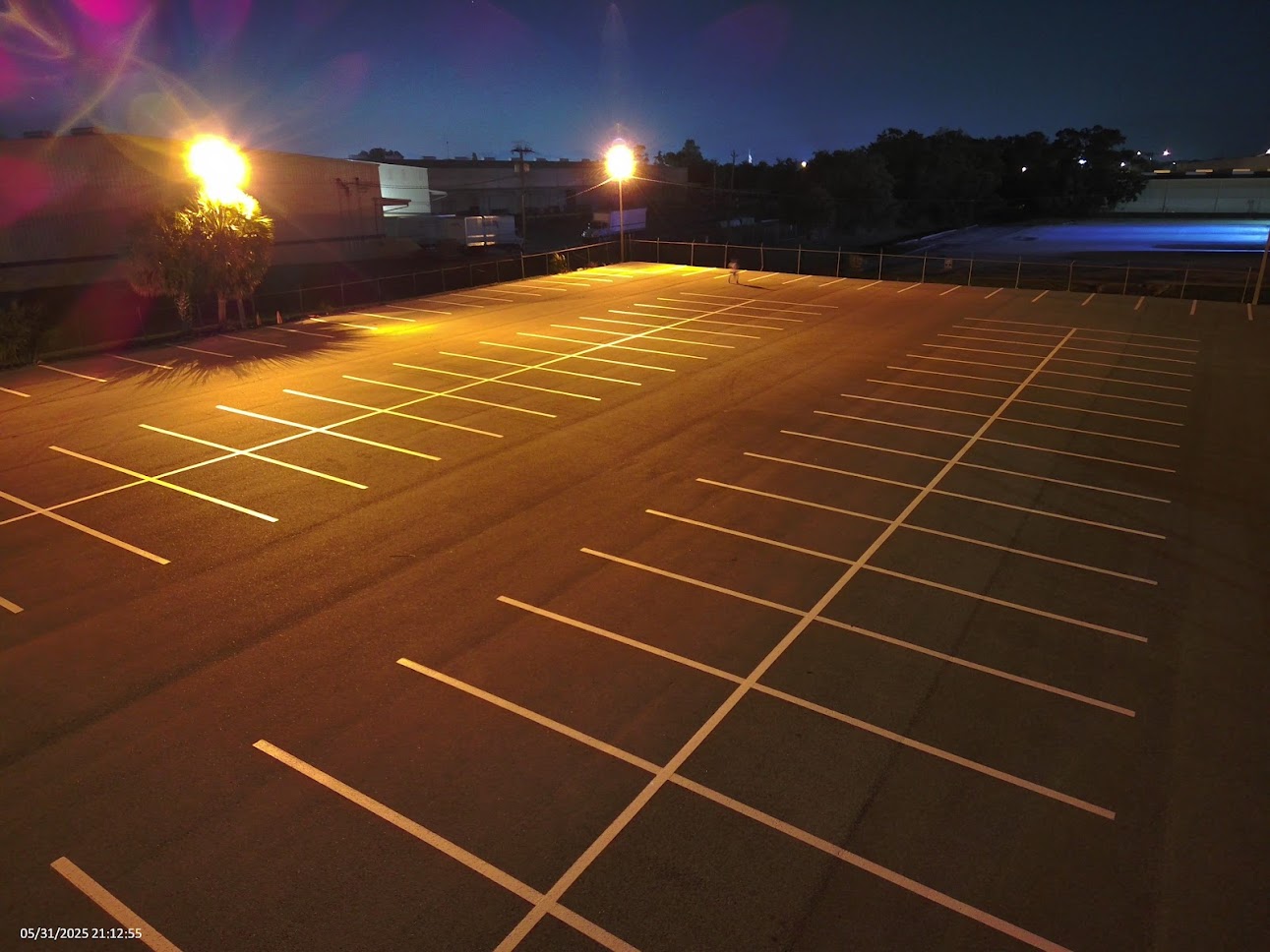
Asphalt surfaces in Western Washington face unique stresses compared to dry or high-heat regions. Sealcoating helps protect against the specific issues our climate creates.
We don’t get long dry spells. That means:
A good sealcoat provides a water-resistant barrier, slowing down this process and protecting the asphalt from continuous moisture exposure.
Properties in Bellevue, Kirkland, Sammamish, and Woodinville are surrounded by firs, cedars, and maples. That leads to:
A sealcoat layer helps slow the damage and keeps organic material from bonding directly with the asphalt surface.
Western Washington sees plenty of nights where wet asphalt freezes. Over time, that combination:
Even though Seattle isn’t Phoenix, UV rays still oxidize asphalt binder, turning it gray and brittle over time. Sealcoat slows down this oxidation and helps keep the surface flexible longer.
The most common mistake with sealcoating in Western Washington is applying it when the weather doesn’t support proper curing.
Sealcoating needs:
Those conditions don’t show up very often before summer. In our climate, the dry window, not just the calendar date, determines whether a sealcoat will perform.
Tools like King County weather and climate data and local forecasts are essential when planning sealcoating in our region.
Even within Western Washington, different areas have slightly different sealcoating conditions and challenges.
Cities like Bellevue Transportation’s Pavement Management Program and Redmond Public Works take these conditions into account when scheduling pavement maintenance on public roads.
While the basic sealcoating process is similar everywhere, Western Washington’s climate puts extra emphasis on surface prep, cleaning, and timing.
Because organic debris is so heavy here, cleaning typically includes:
If moss is present, it should be treated and removed before sealcoat is applied. Sealing over moss leads to poor adhesion and early failure.
Since water is the #1 enemy of asphalt in our area, cracks must be identified and filled before sealing. This helps:
Oil drips are common in Seattle-area parking lots—especially after wet winters. Those areas must be:
Depending on the lot:
Typical cure times in Western Washington:
A shaded Sammamish or Issaquah driveway may need most of a day before it’s ready for vehicle traffic.
Sealcoating won’t fix structural failures, but it significantly slows down the most common surface-level issues.
UV and moisture together cause asphalt to turn gray and brittle. Sealcoat slows this oxidation and helps the pavement stay flexible longer.
Water in cracks plus freeze–thaw cycles equals widening cracks. Sealcoating helps reduce water penetration and slows this process.
Over time, fine aggregates loosen and the surface begins to “shed.” Sealcoat helps bind the top layer back together and improves appearance and texture.
A sealed surface is smoother and less porous, making it more difficult for moss and algae to anchor firmly. Regular cleaning plus sealcoating is the best combination.
A fresh sealcoat layer helps prevent organic staining from penetrating deep into the asphalt, making ongoing cleaning easier.
The right sealcoating frequency depends on traffic, shade, and overall pavement condition.
Typically every 3–5 years, depending on:
Often every 2–4 years, depending on:
Many communities aim for sealcoating every 3–4 years, combined with annual crack repairs.
For broader pavement management context, you can reference public resources like the
Seattle DOT Pavement Program and Washington Asphalt Pavement Association.
Common signs that it’s time to consider sealcoating include:
Addressing these early with sealcoating and crack repair is usually far less expensive than waiting for structural failures.
It’s important to understand what sealcoating can—and can’t—do.
Sealcoating is a protective and cosmetic treatment. It:
Sealcoating does not repair:
When damage is primarily surface-level, sealcoating plus crack repair is usually appropriate. When structural damage exists, repaving or more extensive rehabilitation may be necessary.
In Western Washington, striping often fades before the sealcoat wears out due to:
Many businesses and property managers choose to schedule sealcoating and restriping together. This:
This combination is also highly search-friendly for phrases like “sealcoating and parking lot striping near me”.
A successful sealcoating job in Western Washington follows a few simple but important rules:
Public agencies like Issaquah’s Streets Division and other local public works departments follow similar principles when managing pavement.
For property owners and managers who want to understand more about asphalt and pavement care locally, these resources can help:
Most residential driveways benefit from sealcoating every 3–5 years, while commercial parking lots and HOAs often need it every 2–4 years, depending on traffic, shade, and overall condition.
Sometimes—but it’s risky. Temperatures, humidity, and overnight lows all need to be favorable. In Western Washington, summer (June through early September) is usually the safest window for consistent results.
No. Sealcoating is a surface protection and cosmetic treatment. Cracks should be filled and potholes repaired before sealcoat is applied. Structural issues may require patching or repaving.
Under good summer conditions, many surfaces can handle foot traffic after several hours and vehicle traffic after about 24 hours. Shaded or heavily tree-covered areas may require longer, especially for heavy vehicles.
If you have an asphalt driveway, private road, or parking lot in Seattle, Bellevue, Kirkland, Redmond, Sammamish, Woodinville, Issaquah, Mercer Island, or nearby areas, proper sealcoating can help it last longer and look better.
1-800-STRIPER of Bellevue specializes in:
Reach out today to talk about your project, get a quote, or schedule an on-site evaluation for your driveway or parking lot.
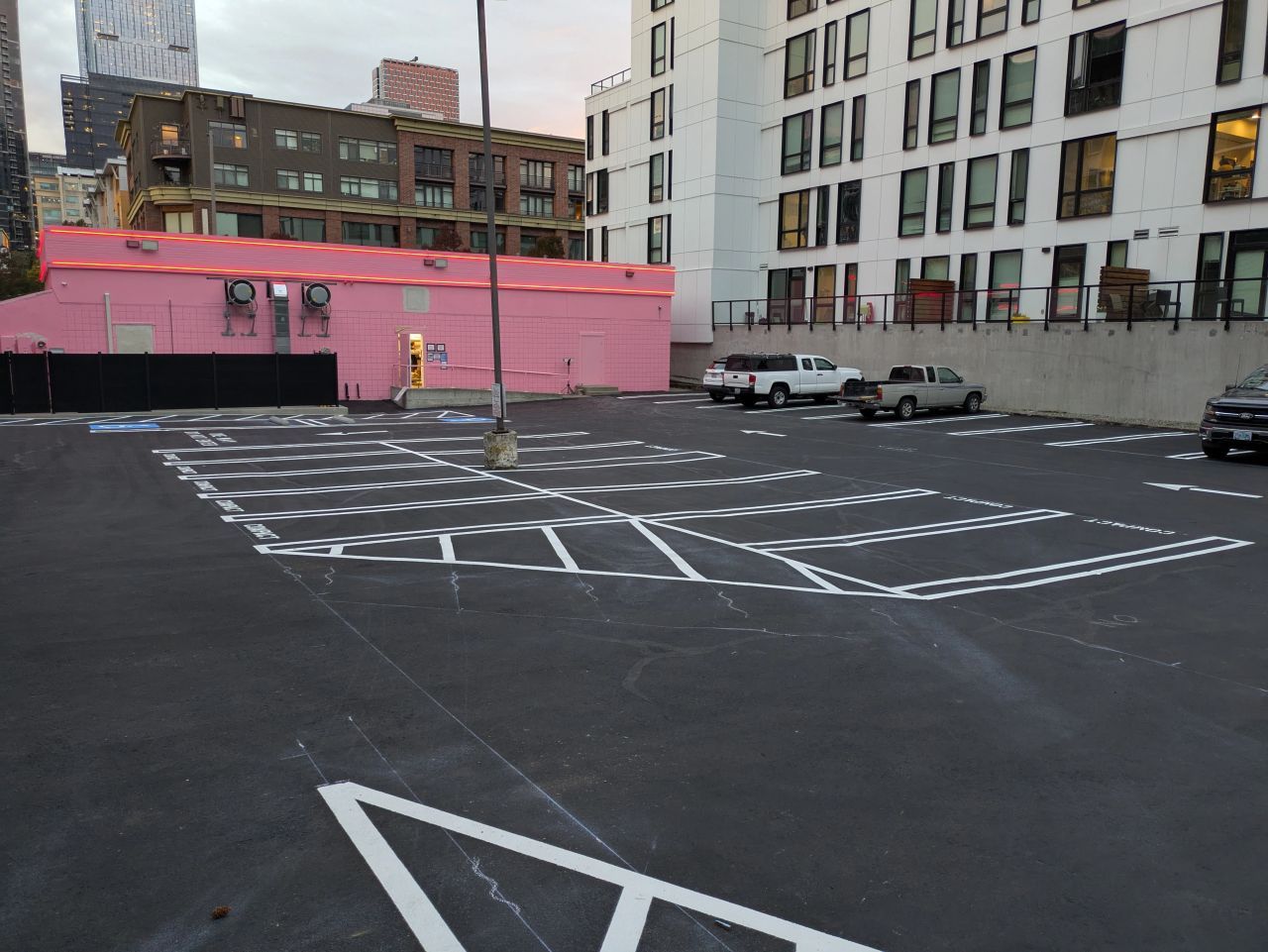
Had our parking lot paved and found ourselves needing lines. Their team was fantastic from start to finish. They took the time to give great advice and listened closely to our company’s needs.
They are very responsive and complete the work in a timely fashion. I have used them for 18 years and have never had any issue with their work. Very highly recommended.
They are very easy to work with and have a highest level of attention to detail. They are very knowledgeable and passionate about parking lot striping. Their quality of work is outstanding!
COPYRIGHT © 1999-2025 | ALL RIGHTS RESERVED STRIPER INDUSTRIES, INC. | Privacy Policy