
Dec 07, 2025 | 1-800-Striper Bellevue
Serving Seattle, Bellevue, Kirkland, Redmond, Sammamish, Woodinville, Issaquah, Mercer Island & nearby communities.
Outdoor basketball courts in Western Washington face a unique opponent: the weather. Heavy moisture, long stretches of shade, moss and algae growth, and freeze-thaw cycles all quietly break down concrete and asphalt courts across the Seattle area.
This guide explains how the Pacific Northwest climate affects outdoor basketball courts, what to watch for, and how to keep your court safe, attractive, and playable for years.
Need help with a basketball court project?
1-800-STRIPER of Bellevue provides professional basketball court painting, line striping, and sport court services throughout Seattle and the Eastside.
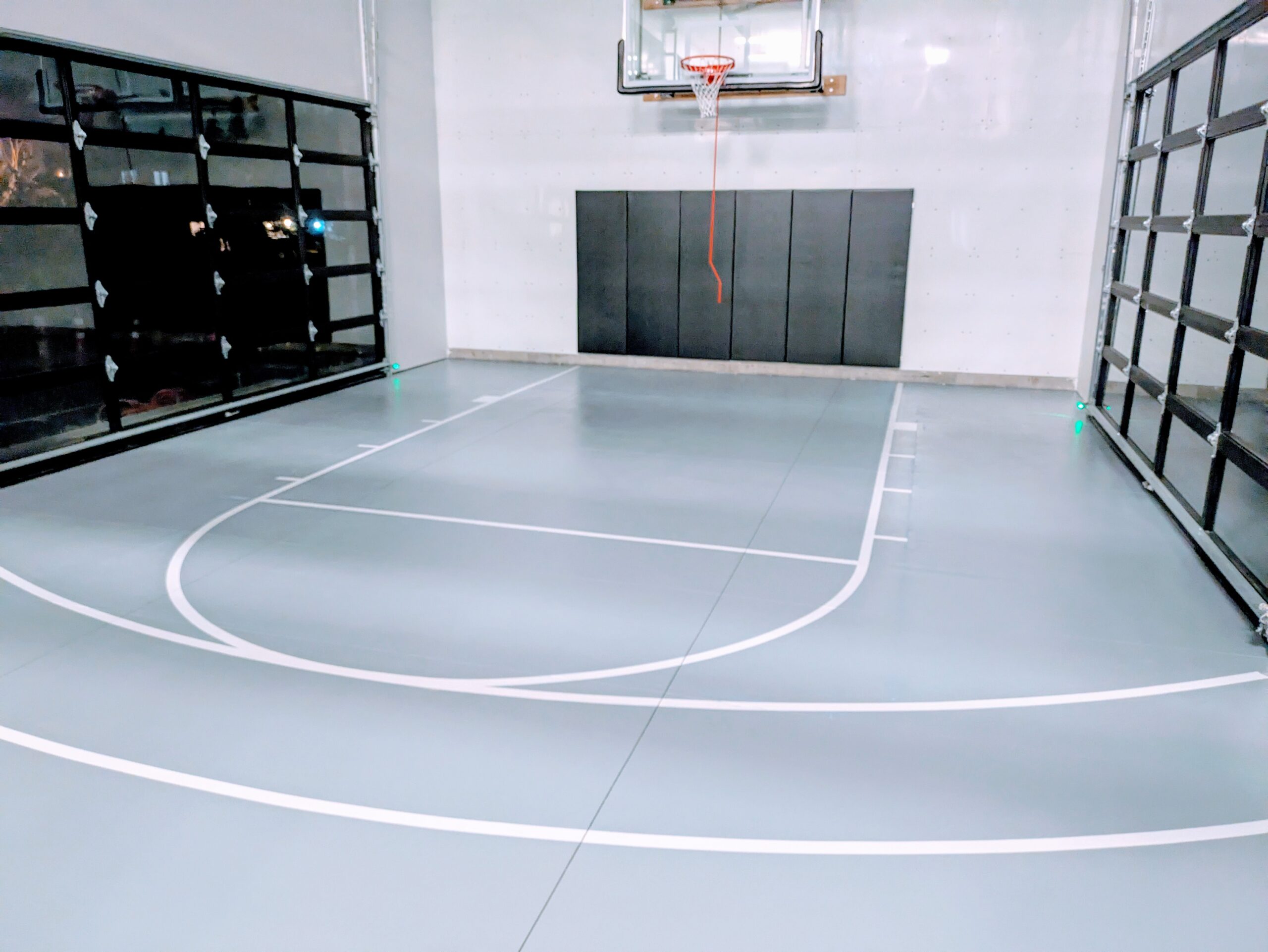
Western Washington doesn’t have the same extreme heat as other states, but the combination of constant moisture, shade, and freeze-thaw cycles wears down outdoor basketball courts in a different way.
Almost every long-term court problem in Western Washington traces back to some combination of these three issues.
Moisture is the main reason Seattle-area basketball courts need more maintenance than courts in hotter, drier regions. Concrete and asphalt react differently to our wet climate.
Concrete absorbs more water than most people realize. When courts stay damp:
Backyard courts in neighborhoods like Redmond Ridge, Sammamish, and Issaquah Highlands are especially vulnerable due to tree cover and damp soils.
Asphalt responds to moisture in a different way:
Those low spots hold water, which accelerates breakdown and shortens the life of paint and coatings.
In Western Washington, moss and algae are often more dangerous than cracks. If your court has shade, you can expect biological growth.
Moss and algae can:
Properties in Bellevue, Kirkland, Redmond, Mercer Island, Sammamish, and Woodinville see these issues frequently due to dense tree cover and limited sun exposure.
Western Washington doesn’t have harsh winters, but our courts are often saturated when temperatures dip. That combination causes steady, subtle damage.
The north and east edges of courts usually show early damage first, because they get the least sun and stay damp longest.
UV exposure in Western Washington is different than in desert climates. Colors fade more slowly, but staining is more common because of moisture and organic growth.
Choosing the right color can reduce how often your court looks dirty or weathered between maintenance cycles.
Poor drainage is one of the biggest reasons outdoor basketball courts fail early in Seattle and the Eastside. Even a well-built court will struggle if water has nowhere to go.
If standing water is normal on your court, long-term surface issues will follow, no matter how good the paint or coating is.
Both concrete and asphalt can work for outdoor basketball courts in Seattle, but they behave differently in our climate.
Pros:
Cons:
Pros:
Cons:
For most residential properties in Western Washington, concrete is the better long-term choice if drainage is handled correctly and regular maintenance is done.
Outdoor basketball courts in Seattle, Bellevue, and the Eastside deal with traction issues that indoor courts never see.
Common performance and safety issues include:
For serious players, this affects performance. For families, schools, and HOAs, it’s primarily a safety concern, especially when kids are running hard, jumping, and landing on slick spots.
A simple, consistent maintenance schedule keeps outdoor basketball courts safer and looking better in Western Washington’s climate.
Courts in shaded neighborhoods like Somerset, Newport, Bridle Trails, Magnolia, Laurelhurst, and parts of Sammamish may need more frequent cleaning due to heavy tree cover.
Repainting and resurfacing are not just cosmetic, they directly affect safety and playability. It may be time to call a professional if:
A fresh coating system and clear, crisp lines can make a court feel completely new, even on an older slab.
1-800-STRIPER of Bellevue provides outdoor basketball court painting, line striping, and sport court services across
Western Washington, including:
With proper drainage, regular cleaning, and periodic repainting, a concrete basketball court in Western Washington can often last 20–30 years structurally. Asphalt courts typically have a shorter lifespan due to moisture-related wear. Coatings and lines usually need refreshing more frequently.
For most homeowners and property managers in the Seattle area, concrete is the better long-term choice because it offers a more consistent bounce and a longer lifespan. However, it must be designed with good drainage and maintained regularly to handle our wet climate.
Light cleaning (sweeping or blowing) once a month and more thorough cleaning 1–2 times per year is recommended in Western Washington. Courts under heavy tree cover or in very shady locations may need more frequent cleaning to control moss and algae.
Yes. Many existing concrete and asphalt pads around homes, schools, and churches can be turned into full basketball courts with proper cleaning, crack repair, surface prep, and professional line striping. The condition of the slab will determine how much prep is needed.
If you have an outdoor basketball court in Seattle, Bellevue, Kirkland, Redmond, Sammamish, Woodinville, Issaquah, or the surrounding area and you want it to look better, play better, and last longer, we’re here to help.
1-800-STRIPER of Bellevue specializes in:
Reach out today to talk about your project, get a quote, or schedule an on-site visit for your basketball court.
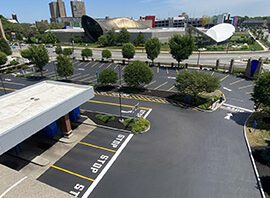
Had our parking lot paved and found ourselves needing lines. Their team was fantastic from start to finish. They took the time to give great advice and listened closely to our company’s needs.
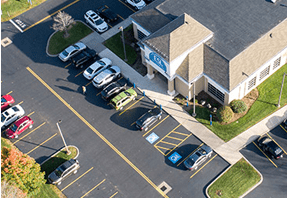
They are very responsive and complete the work in a timely fashion. I have used them for 18 years and have never had any issue with their work. Very highly recommended.
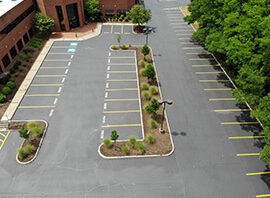
They are very easy to work with and have a highest level of attention to detail. They are very knowledgeable and passionate about parking lot striping. Their quality of work is outstanding!
COPYRIGHT © 1999-2025 | ALL RIGHTS RESERVED STRIPER INDUSTRIES, INC. | Privacy Policy